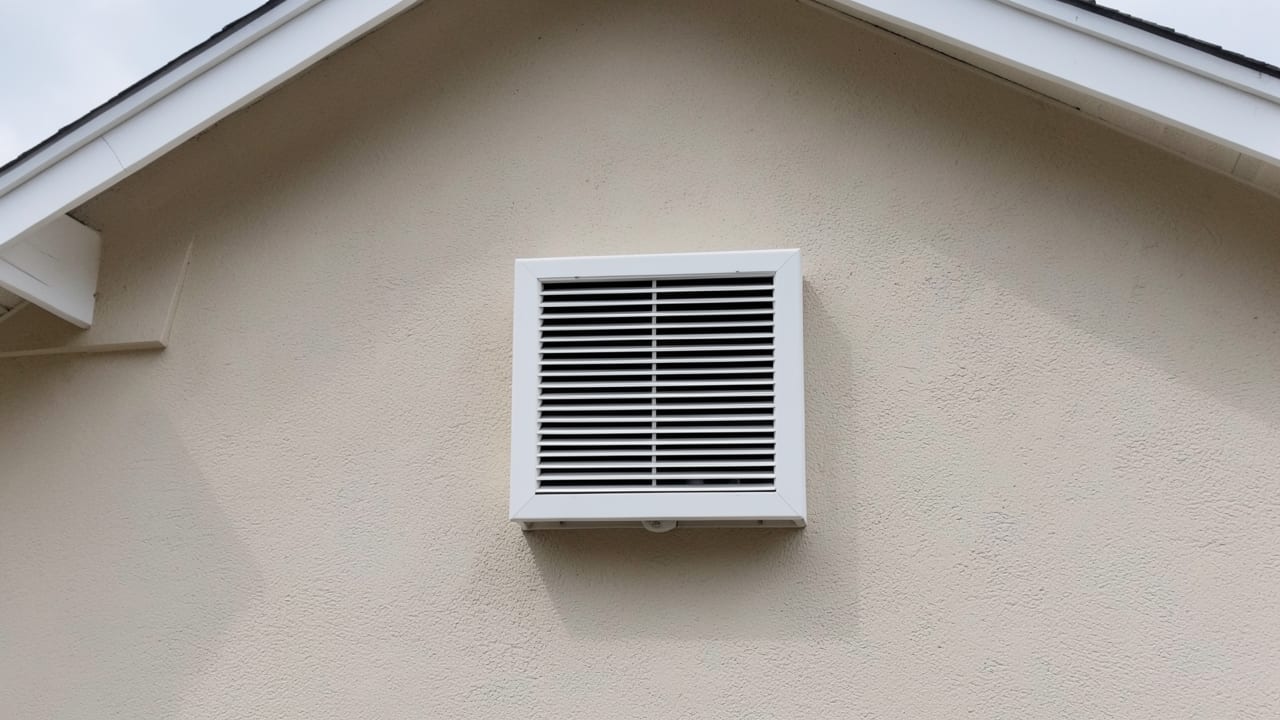
Exterior Vent Cleaning
Professional cleaning of exterior vents using pressure washing to remove dirt, debris, and blockages.
In Bellevue’s damp climate, exterior vents—like those for dryers, bathrooms, and kitchens—accumulate dust, debris, and even mold over time, restricting airflow and creating fire or moisture risks. Exterior vent cleaning uses targeted pressure washing to restore proper function while protecting your home’s surfaces and landscaping.
Unlike generic power washing, this service focuses on vents *and* adjacent siding, gutters, and eaves to prevent hidden damage from trapped moisture or forced water intrusion.
We also handle Condo Association Washing and HOA Common Area Washing for Bellevue properties.
When to clean your exterior vents (and what to watch for)
Vent buildup often starts subtly: cobwebs, fine dust, or insect nests in corners near vents or under eaves are the first signs. For dryer vents, check for lint buildup *outside* the vent—if you see a thick, grayish mat, airflow is likely blocked inside.
On bathroom or kitchen vents, look for greenish-black streaks (algae/mildew) or a chalky residue when you run your hand over the surface.
Exterior vents in shaded areas or near vegetation (like cedar trees or ivy) need attention every 12–18 months, while sun-exposed vents may last 2–3 years.
A clogged gutter overflowing near a vent can accelerate dirt buildup, so check gutters before scheduling a clean—keeping them clear extends the time between vent cleanings.
Signs Your Exterior Vents Need Cleaning
- Lint, dust, or cobwebs visible *outside* the vent opening (dryer vents)
- Green/black streaks (algae/mildew) or chalky residue on bathroom/kitchen vents
- Musty odors near vents when running appliances (dryer, bathroom fan)
- Increased appliance runtime (dryer takes longer to dry clothes; bathroom fan runs constantly)
- Vegetation or gutter overflow near vents (accelerates dirt buildup)
How vent cleaning protects your home’s exterior
Pressure washing vents alone won’t clean your siding—but neglecting vents can lead to moisture trapped behind siding panels, causing mold or rot. Our process integrates vent cleaning with a *soft-wash* siding treatment to prevent streaking or water intrusion.
We use detergents formulated for your siding type (vinyl, wood, or fiber cement) and rinse at low pressure (<500 PSI) to avoid forcing water into seams.
Landscaping near vents is protected by pre-wetting and covering plants, and we bag outlets or fixtures before starting. This prevents chemical runoff from affecting your yard or pets—a common complaint with generic pressure washing that skips these steps.
| Material | Max Safe PSI | Signs of Damage from Over-Pressure |
|---|---|---|
| Vinyl Siding | <1,200 PSI | Cracked seams, warping, or stripped factory finish |
| Wood Siding | <1,000 PSI | Splintering, loosened caulk, or water stains |
| Stucco | <800 PSI | Cracks or powdery residue (indicates surface erosion) |
| Fiber Cement | <1,500 PSI | Chipped edges or dull, streaked appearance |
Why Bellevue homes need vent cleaning more often
Bellevue’s mix of evergreen trees, frequent rain, and shaded streets creates ideal conditions for mildew and moss on vents. North-facing walls and sections under eaves stay damp longer, accelerating buildup.
A single vent cleaning can reveal hidden issues: for example, a dryer vent with 1+ inch of lint restricts airflow enough to double drying time and overheat the appliance.
Post-cleaning, we’ll show you how to spot early signs of recontamination—like a sprinkler head aimed at your siding or overhanging branches touching vents. These targeted fixes can extend the time between cleanings by 30–50%.
How exterior vent cleaning works
- 1Prep and Protection
We start by covering landscaping near vents and bagging outlets/light fixtures. A low-pressure detergent (formulated for your siding type) is applied to break down algae/mildew chemically, not just blasted off.
- 2Targeted Vent Cleaning
Using a wide-fan nozzle (<500 PSI), we clear debris from vent openings and adjacent surfaces, working top-to-bottom to avoid pushing water into siding seams. Dryer vents get a separate inspection for lint blockages.
- 3Spot Treatment for Stubborn Buildup
Areas with heavy mildew or chalky residue get a second, concentrated pass with a higher-dwell detergent—never higher pressure, which risks damaging siding or forcing water behind panels.
- 4Final Rinse and Inspection
A clear-water rinse removes all detergent, and we walk the area in daylight to check for missed spots, lifting panels, or signs of pre-existing damage (e.g., loose mortar).
Frequently asked questions
Will cleaning my exterior vents improve my dryer’s efficiency?
Yes—if lint or debris is blocking the vent, airflow resistance can increase drying time by 30–50%. A clogged vent also forces your dryer to work harder, raising energy use and wear on the motor. We’ll inspect both the exterior vent and the path from your dryer to the outside.
My siding looks fine, but my bathroom fan smells musty even after running it. Could that be a vent issue?
Absolutely. Exterior bathroom vents often collect mold or mildew in shaded areas, and the smell can linger even when the fan is running. A blocked or dirty vent restricts airflow, trapping moisture and odors inside your walls. We’ll clean the vent and check for hidden buildup.
I’ve seen pressure washing leave streaks or damage siding. How do you avoid that?
We use a *soft-wash* method with low-pressure (<500 PSI) and wide-fan nozzles to prevent streaking, plus detergents that dwell on the surface instead of blasting it. For example, vinyl siding maxes out at 1,200 PSI—any higher risks cracking seams. We also move the wand at a consistent speed to avoid ‘zebra striping.’
My house has cedar shakes near the vents—will the cleaning affect them?
Cedar shakes are porous and sensitive to moisture, so we avoid direct pressure washing on them. Instead, we focus on the vents and adjacent siding, using a low-pressure rinse (<800 PSI) and shielding the shakes with tarps if needed. Post-cleaning, we’ll show you how to trim back overhanging branches to reduce future moisture exposure.
Where Bellevue sits, and what the Census lists nearby
Bellevue sits in Washington, and the closest places listed in the U.S. Census Gazetteer are Beaux Arts Village (2.4 miles west), Clyde Hill (3.6 miles northwest), Mercer Island (4.2 miles southwest), Yarrow Point (4.4 miles northwest).
Within 25 miles of Bellevue the same source lists 110 distinct incorporated places and census-designated places.
Those figures matter for exterior vent cleaning because they are straight-line distances between Census coordinate points: road mileage between Bellevue and Beaux Arts Village runs longer than the 2.4 miles shown, which is why quotes for the same job differ between towns that look close together on a map.
Source: U.S. Census Bureau Gazetteer.
See Medina, WA for more, or find out about our complete Bellevue service list by service type for our complete lineup.
Ready to get started?
Talk to a local pressure washing pro in Bellevue — get a written quote.
Other Pressure Washing Services in Bellevue
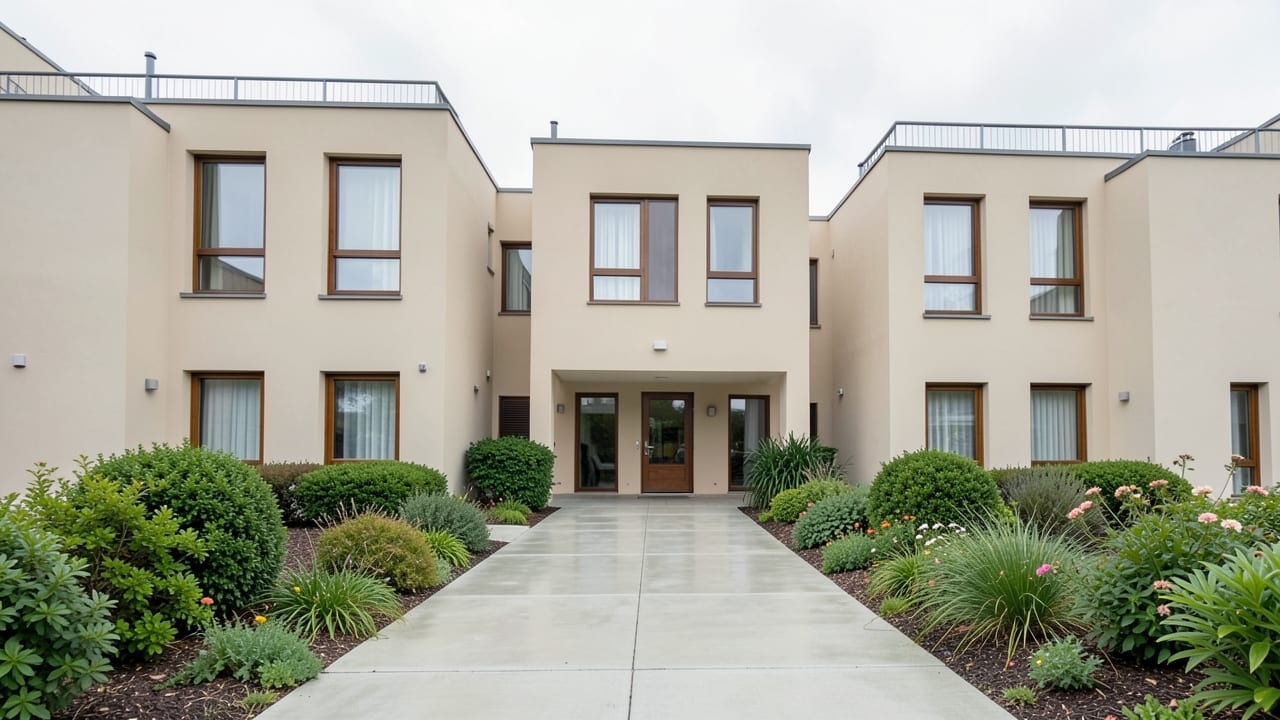
Condo Association Washing in Bellevue, WA
High-pressure cleaning of condo association exteriors, walkways, and common areas to remove dirt and grime.
Learn More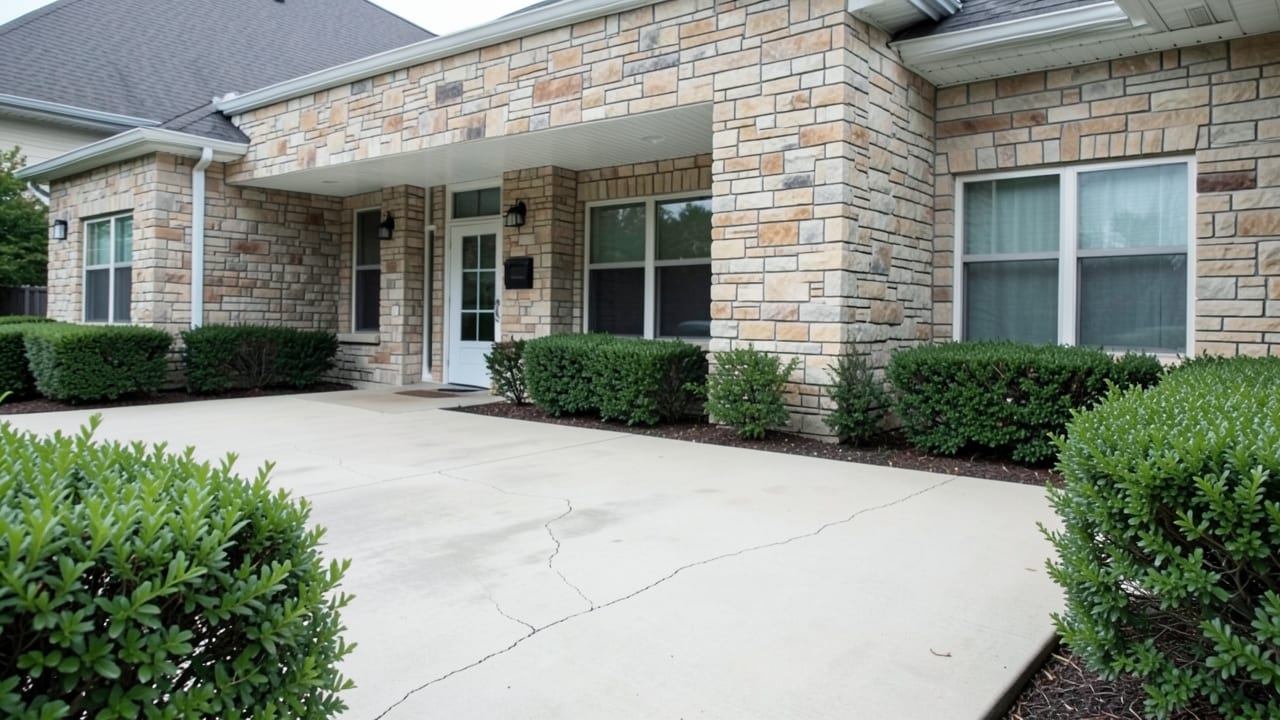
HOA Common Area Washing in Bellevue, WA
Pressure washing HOA common areas like sidewalks, playgrounds, and entryways to remove dirt and grime.
Learn More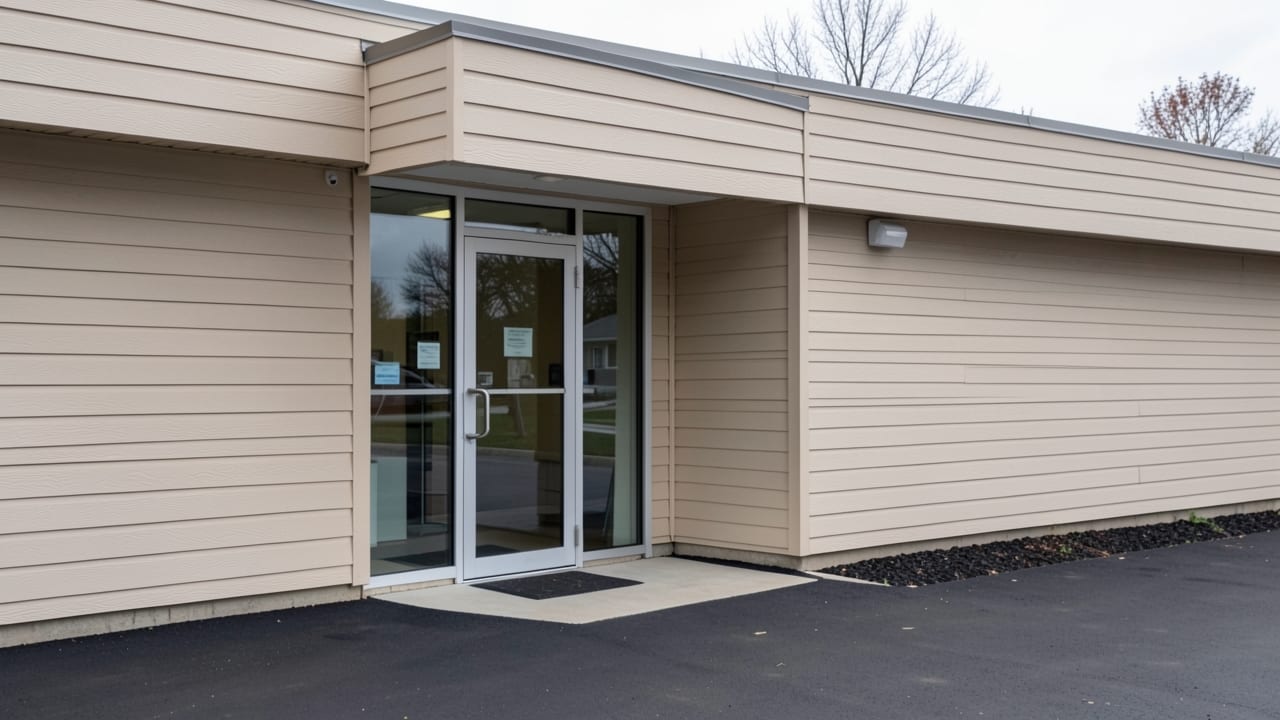
Medical Clinic Exterior Washing in Bellevue, WA
High-pressure cleaning of medical clinic exteriors to remove dirt, grime, and contaminants.
Learn More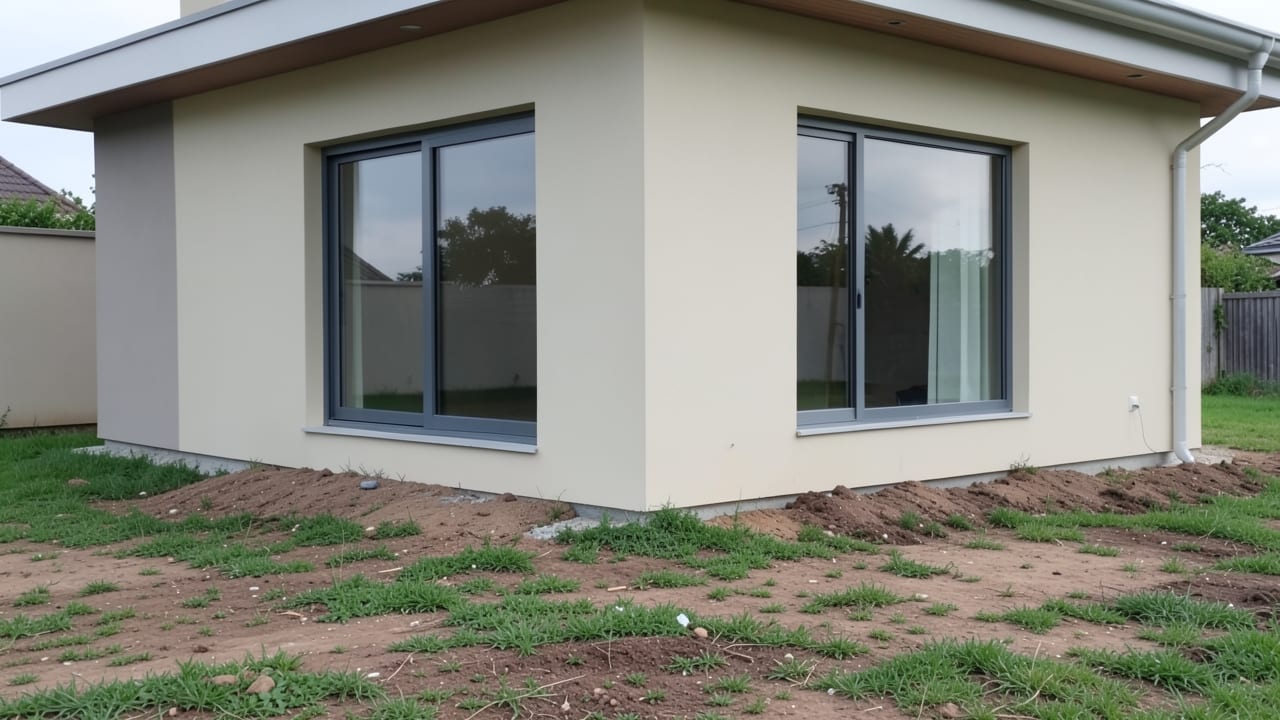
New Construction Final Clean in Bellevue, WA
Thorough post-construction cleanup using pressure washing to remove debris, dust, and residue from new builds.
Learn More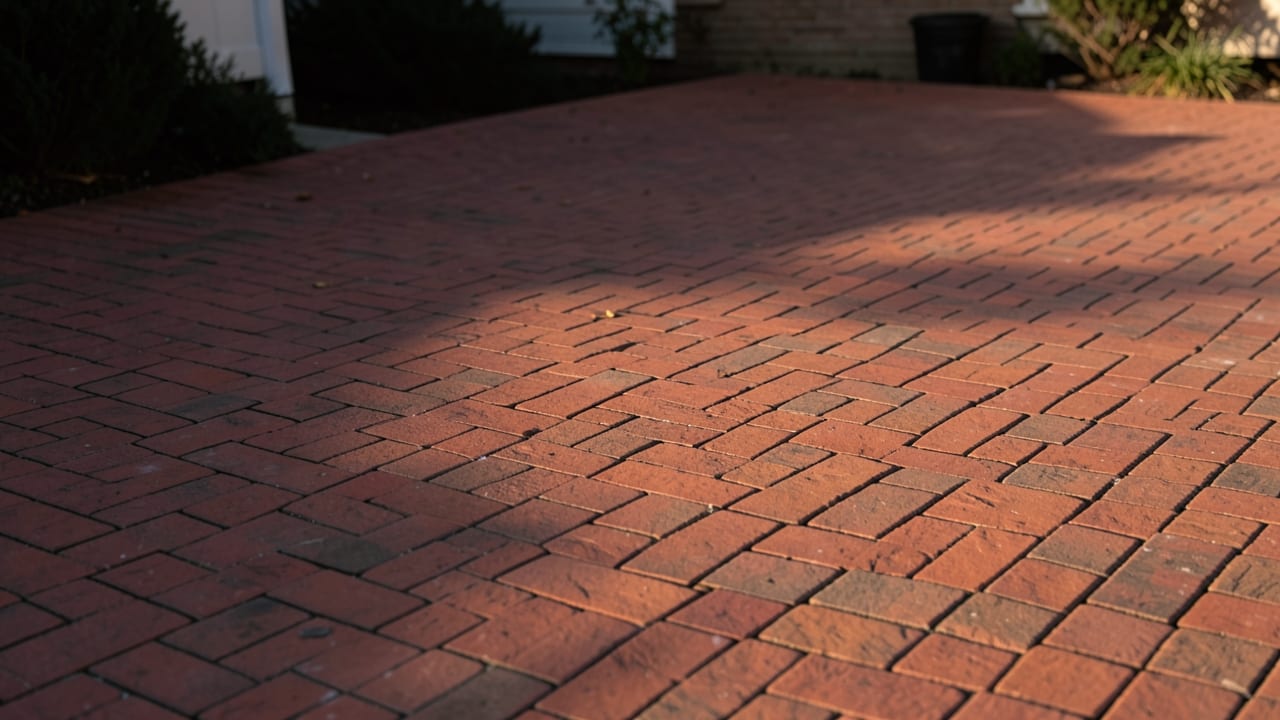
Salt Deposit Removal in Bellevue, WA
High-pressure washing to remove salt deposits from surfaces like driveways and sidewalks.
Learn More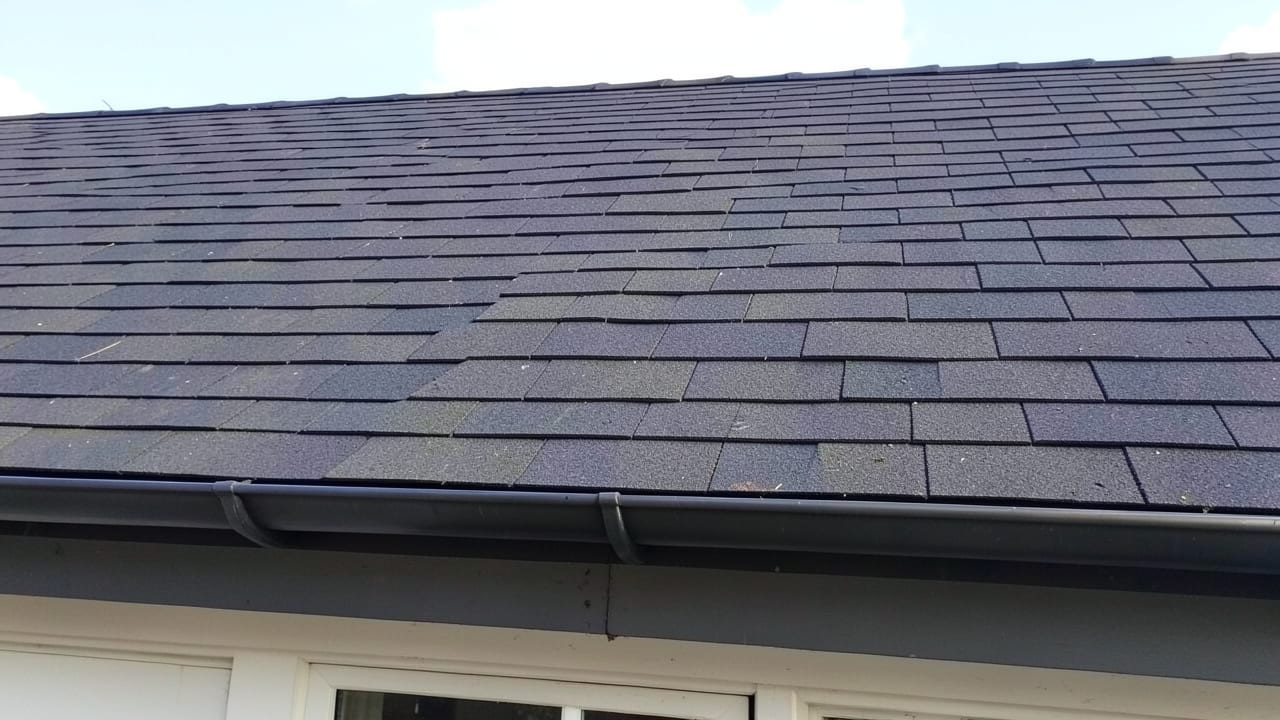
Algae Treatment in Bellevue, WA
Professional pressure washing to remove algae from exterior surfaces like roofs, siding, and driveways.
Learn MoreCommon Questions About Pressure Washing in Bellevue
Everything you need to know about pressure washing services in Bellevue
How much does Exterior Vent Cleaning typically cost in Bellevue, WA?
Does winter road salt affect driveway washing needs in Bellevue, WA?
How long does washing a typical house exterior take?
Can pressure washing damage concrete, pavers, or mortar joints?
What are the actual named steps in a professional pressure washing job?
Can the wrong PSI actually damage a house or driveway?
Need Pressure Washing in Bellevue?
Get a written quote from our Bellevue crew.
⏰ We answer your call • Serving all of Bellevue and surrounding areas