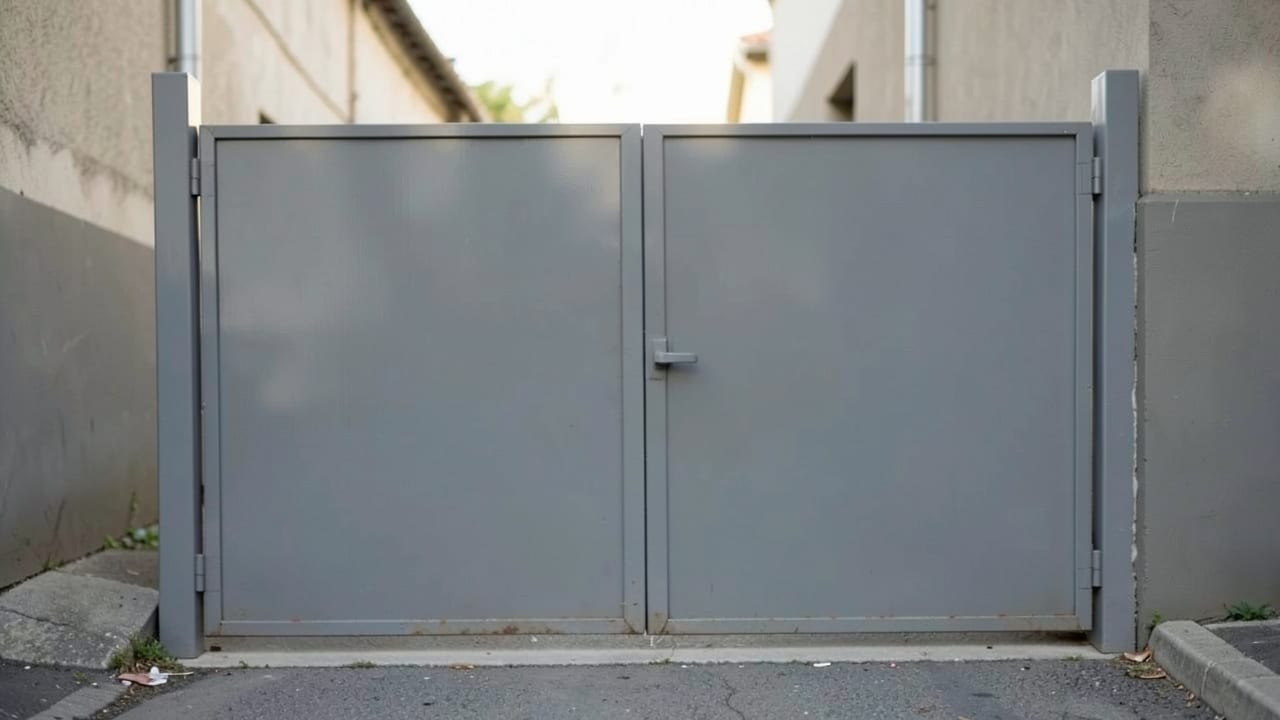
Rust Removal
Professional pressure washing to remove rust stains from driveways, sidewalks, and exterior surfaces.
Rust removal in Bellevue, WA, restores the look of metal surfaces and siding by using high-pressure washing techniques to eliminate stains caused by oxidation and moisture.
This service targets driveways, furniture, and exterior walls, enhancing curb appeal while protecting landscaping and delicate fixtures with careful pre-treatment and low-pressure rinsing methods tailored to each material.
We also handle Graffiti Removal and Solar Panel Cleaning for Bellevue properties.
When rust removal is needed
Rust stains often appear as green or black streaks on metal or siding, especially on shaded or north-facing walls. These stains spread over time if left untreated, making early intervention more effective. A simple hand test—running your fingers across the surface—can reveal a chalky residue, indicating accumulated grime or oxidation.
Look for cobwebs, dirt, or insect debris collecting in corners, under eaves, or around light fixtures. These areas often show signs of grime buildup before the rest of the siding or metal surfaces appear visibly dirty.
Removing mounted items like house numbers or planters and comparing the exposed surface to the covered patch can also reveal how much dirt has accumulated.
Signs Rust Removal Is Needed
- Green or black streaking on metal surfaces or siding (common on shaded walls).
- Chalky residue when running a hand across the surface (indicates oxidation or grime buildup).
- Cobwebs, dirt, or insect debris in corners, under eaves, or near fixtures.
- Uneven discoloration when comparing covered vs. exposed patches of siding.
What affects pricing and timing
The scope of the job, including the size of the driveway, metal surfaces, or siding area, directly impacts pricing. Larger or heavily rusted areas require more time and materials, which can increase costs.
The material type—vinyl, wood, stucco, or fiber cement—also plays a role, as each requires specific cleaning solutions and pressure settings to avoid damage.
Environmental factors like vegetation touching the siding or a sprinkler head aimed at the wall can accelerate rust and grime buildup. Addressing these issues alongside the cleaning can extend the time between future treatments.
Additionally, permanently shaded or north-facing sections of a home will require more frequent attention due to limited sun exposure.
How to prepare for rust removal
Before scheduling rust removal, clear the area of decorations, outdoor furniture, or anything mounted to the surfaces being cleaned. This allows for thorough inspection and treatment without obstructions. Protect nearby plants by wetting them down and covering them with tarps, as cleaning solution runoff can harm landscaping.
Check for and address any pre-existing damage, such as cracked paint or loose mortar, before the cleaning begins. This ensures the service provider can focus on the rust removal without being distracted by unrelated repairs.
If your home is part of an HOA or has specific local codes, verify any restrictions on cleaning methods or chemicals used.
Using high-pressure settings on siding can force water behind panels, leading to mold growth or rot inside wall cavities. Always confirm the provider uses low-pressure soft-wash techniques for siding and the correct PSI for each material.
How rust removal works
This process combines chemical pre-treatment with controlled pressure washing to safely remove rust and grime.
- 1Surface Protection
Landscaping near the foundation is wetted and covered, and exterior outlets or fixtures are bagged to prevent damage from overspray or chemical runoff.
- 2Detergent Pre-Treatment
A cleaning solution formulated for the specific material—vinyl, wood, stucco, or fiber cement—is applied at low pressure and left to dwell, breaking down algae, mildew, and rust chemically.
- 3Spot Treatment
Heavily stained areas receive a second, concentrated pass with a wider-fan tip at low pressure (under 500 psi) to avoid pushing water behind siding seams or damaging the surface.
- 4Final Rinse and Inspection
A clear-water rinse removes all detergent residue, followed by a daylight inspection to check for missed spots, streaking, or any damage that requires separate attention.
Frequently asked questions
How often should I have rust removal done on my siding or driveway?
For siding, aim for every 2–3 years, or sooner if your home has shaded walls, overhanging vegetation, or a sprinkler aimed at the surface. Driveways may need attention annually if exposed to heavy moisture or traffic. Addressing environmental factors like gutters or landscaping can extend the time between cleanings.
Will pressure washing damage my siding or metal surfaces?
Not if done correctly. Using the wrong pressure—especially above 500 psi on siding—can crack stucco, split vinyl seams, or force water behind panels, causing hidden damage. Always confirm the provider uses material-specific pressure settings and soft-wash techniques.
Can I do a quick test to see if my siding needs cleaning?
Yes. Run your hand across the siding—if you feel a chalky residue, it’s likely oxidation or grime. Also check for green or black streaks on shaded walls, which indicate algae or mildew. Removing a mounted item like a house number and comparing the covered patch to the exposed surface can also reveal buildup.
What should I ask a rust removal service before hiring them?
Ask about the PSI and method (pressure vs. soft wash) for each surface, whether chemicals are disclosed and safe for landscaping, and if they provide a written scope detailing all included surfaces. Also confirm their policy for pre-existing damage and whether sealing is included or billed separately.
Where Bellevue sits, and what the Census lists nearby
Bellevue sits in Washington, and the closest places listed in the U.S. Census Gazetteer are Beaux Arts Village (2.4 miles west), Clyde Hill (3.6 miles northwest), Mercer Island (4.2 miles southwest), Yarrow Point (4.4 miles northwest).
Within 25 miles of Bellevue the same source lists 110 distinct incorporated places and census-designated places.
Those figures matter for rust removal because they are straight-line distances between Census coordinate points: road mileage between Bellevue and Beaux Arts Village runs longer than the 2.4 miles shown, which is why quotes for the same job differ between towns that look close together on a map.
Source: U.S. Census Bureau Gazetteer.
See Sammamish, WA for more, or take a look at everything Bellevue homeowners can book with us for our complete lineup.
Ready to get started?
Talk to a local pressure washing pro in Bellevue — get a written quote.
Other Pressure Washing Services in Bellevue
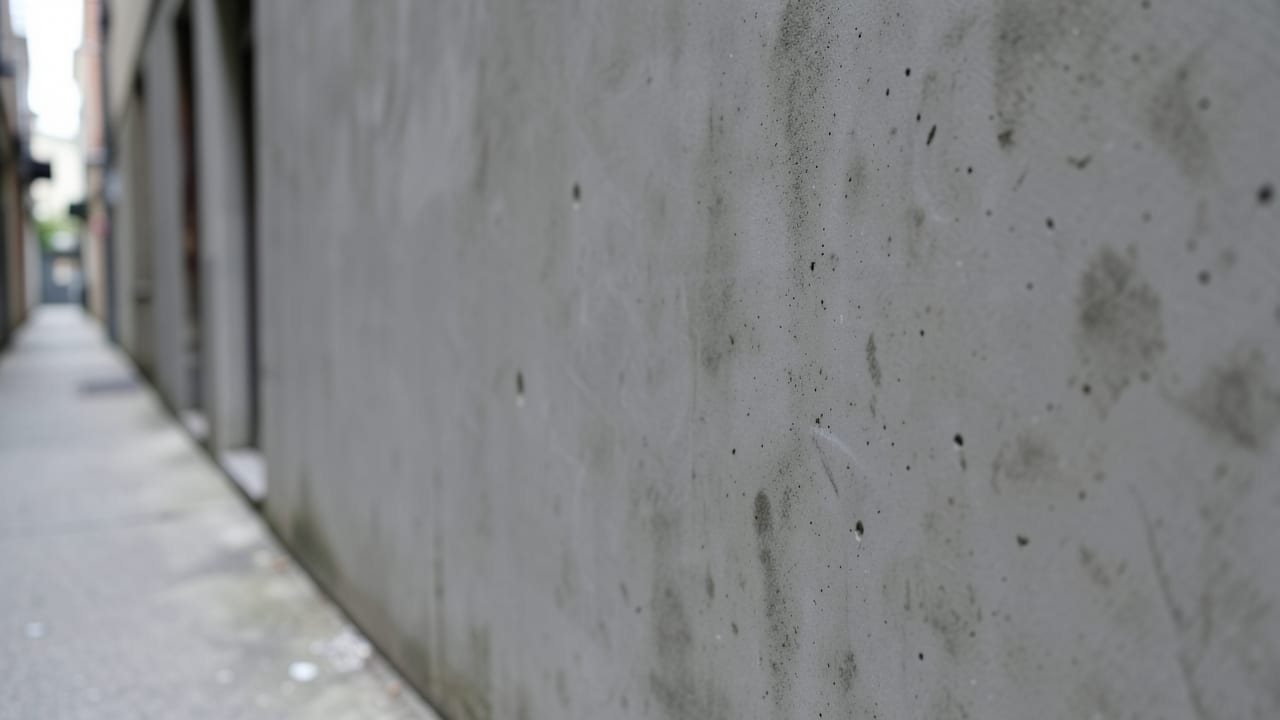
Graffiti Removal in Bellevue, WA
Graffiti removal from exterior walls and surfaces in Bellevue, WA.
Learn More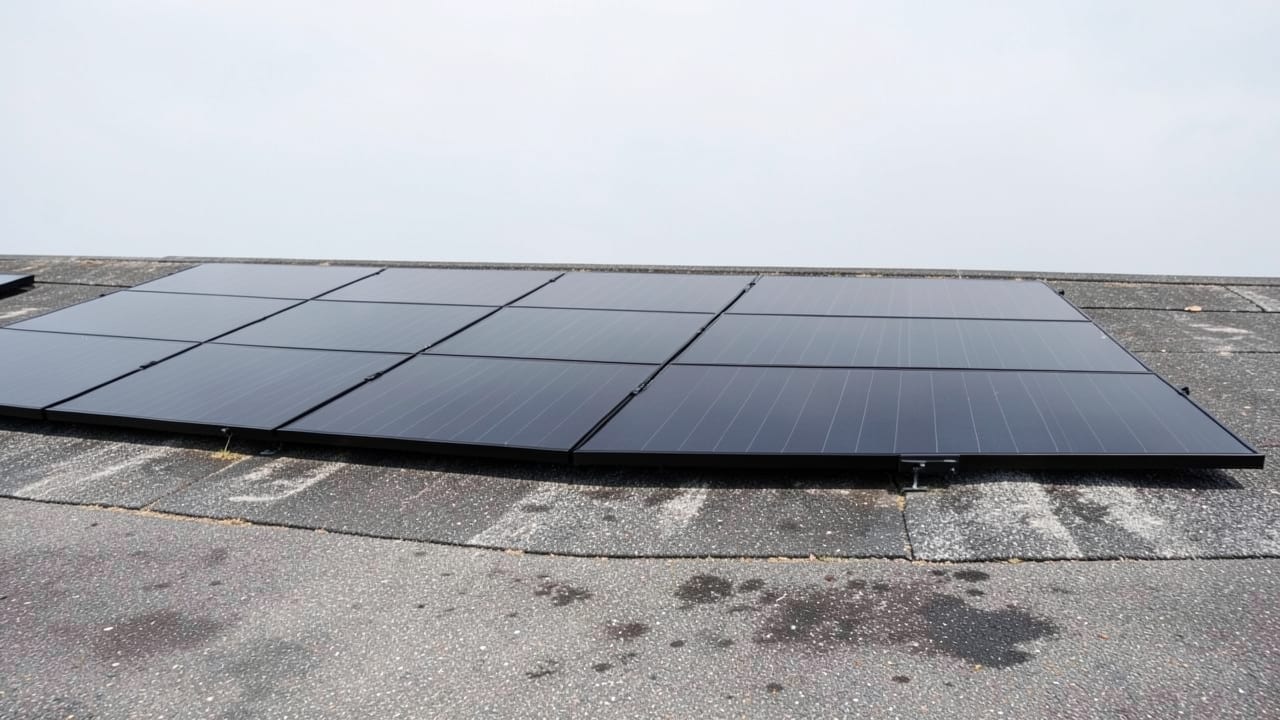
Solar Panel Cleaning in Bellevue, WA
Solar panel cleaning in Bellevue, WA — low-pressure, purified-water rinse that restores panel output without scratching the glass.
Learn More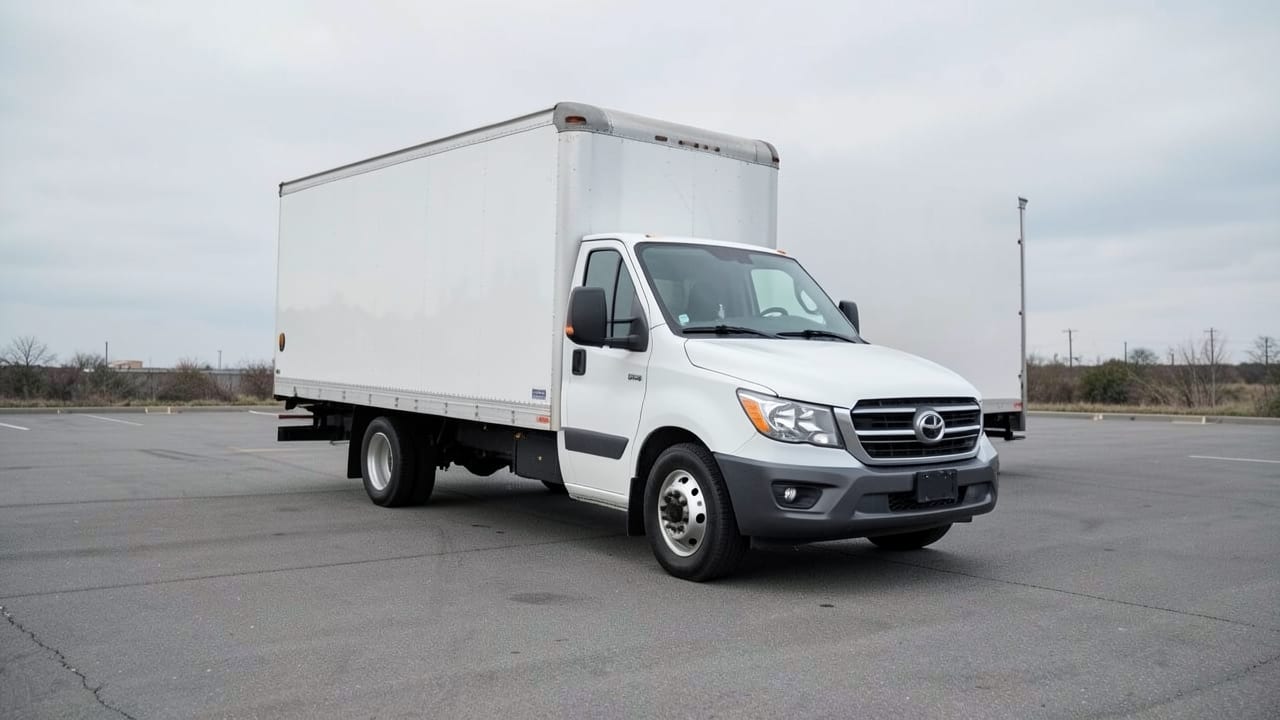
Fleet Washing in Bellevue, WA
Mobile fleet washing for commercial vehicles in Bellevue, WA — on-site cleaning for work trucks and vans.
Learn More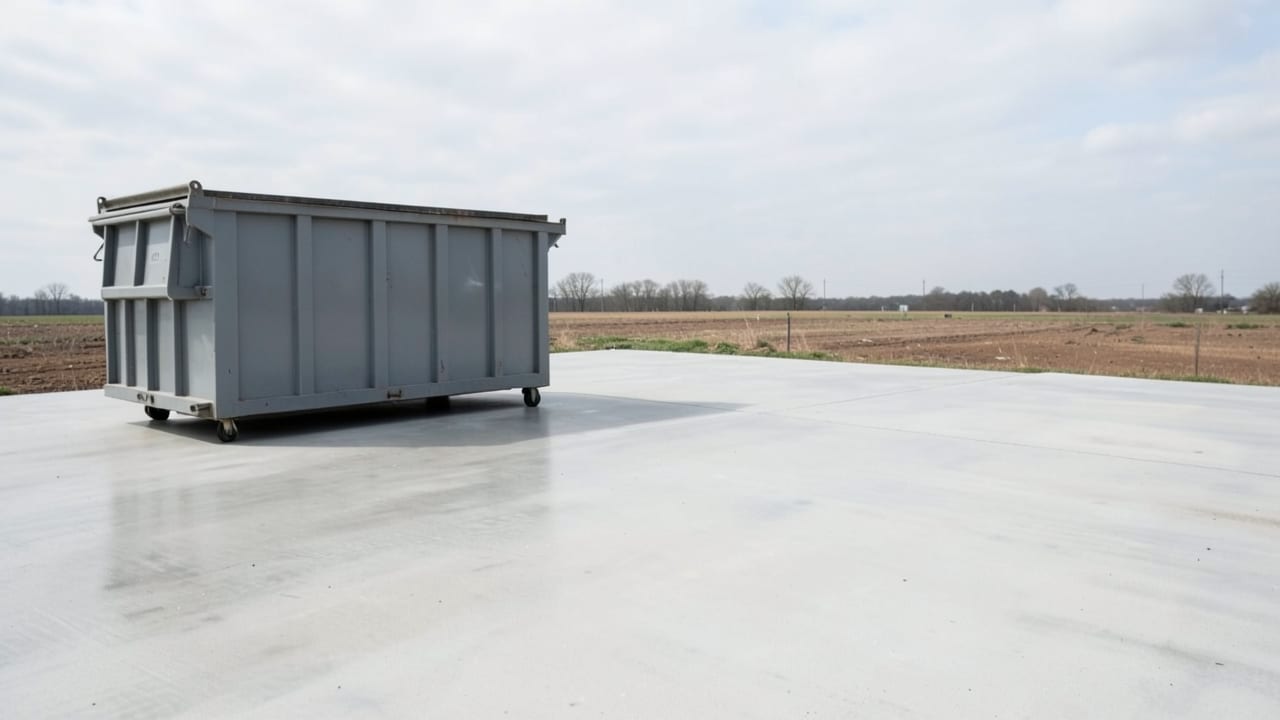
Dumpster Pad Cleaning in Bellevue, WA
Commercial dumpster pad cleaning in Bellevue, WA — hot-water sanitizing for grease, odor, and staining.
Learn More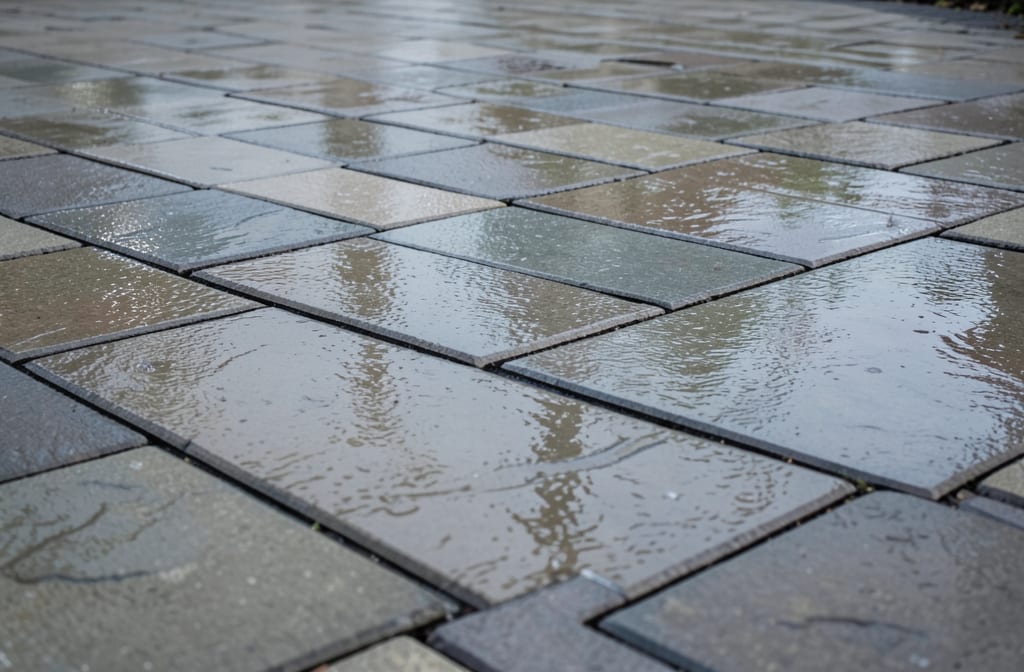
Paver Sealing in Bellevue, WA
Paver sealing in Bellevue, WA — a protective, wet-look finish applied after cleaning to lock in color and block stains.
Learn More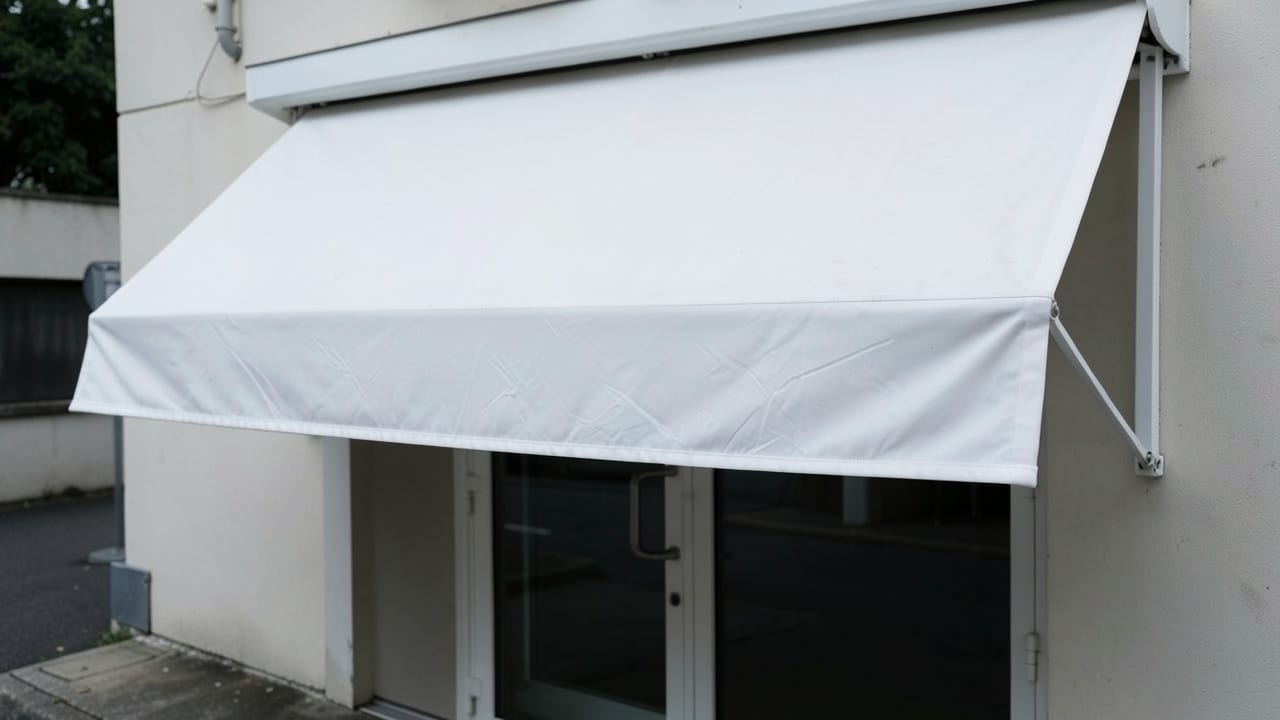
Awning & Canopy Cleaning in Bellevue, WA
Awning and canopy cleaning in Bellevue, WA — fabric-safe, low-pressure cleaning for storefront and residential awnings.
Learn MoreCommon Questions About Pressure Washing in Bellevue
Everything you need to know about pressure washing services in Bellevue
How much does Rust Removal typically cost in Bellevue, WA?
Does winter road salt affect driveway washing needs in Bellevue, WA?
Are the cleaning chemicals used in soft washing safe for landscaping and pets?
Would home insurance cover damage caused by improper pressure washing?
Can pressure washing strip paint or an existing sealant off a surface?
Is renting a pressure washer and doing the job at home a reasonable option?
Need Pressure Washing in Bellevue?
Get a written quote from our Bellevue crew.
⏰ We answer your call • Serving all of Bellevue and surrounding areas