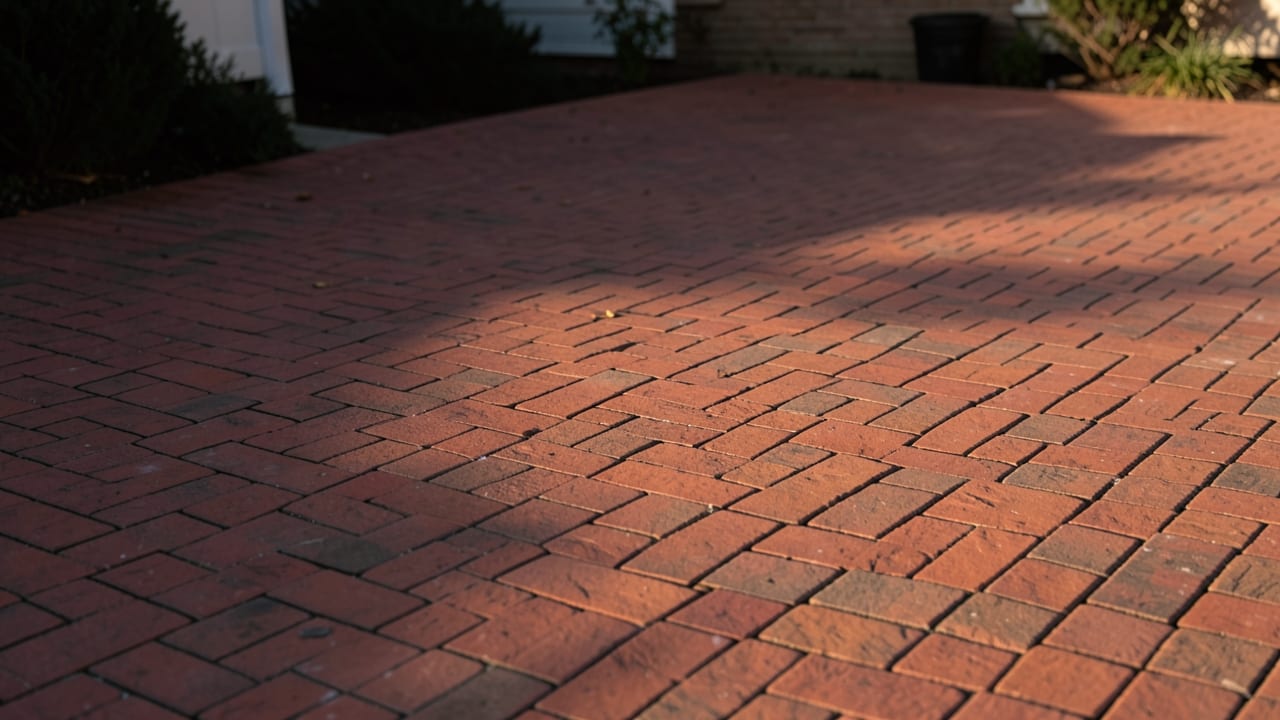
Salt Deposit Removal
High-pressure washing to remove salt deposits from surfaces like driveways and sidewalks.
After Bellevue’s winter, salt deposits from road treatments can leave unsightly white stains and corrode concrete, brick, and stone surfaces. Salt deposit removal uses specialized pressure washing to dissolve and safely remove these buildups, restoring your property’s appearance and preventing long-term damage.
This targeted service protects your home’s exterior while addressing a common issue in the Pacific Northwest’s wet climate.
We also handle Fleet Washing and Dumpster Pad Cleaning for Bellevue properties.
When salt deposit removal is needed
Salt buildup often starts with subtle signs that homeowners may overlook. Green or black streaking on shaded siding, especially on the north-facing side of your home, is a clear indicator of algae or mildew growth.
Unlike dirt, these stains spread steadily if left untreated. A fine chalky residue when running your hand across the surface suggests oxidation or accumulated grime, which can also weaken materials over time.
Check for cobwebs, dirt, and insect debris collecting in corners, under eaves, or around light fixtures—these are early warning signs of grime buildup.
If you notice your house numbers or small planters mounted to the siding appear cleaner than the surrounding area, it’s a direct sign that the rest of your exterior needs attention. These visual cues help determine whether a deep clean, like salt deposit removal, is necessary.
Signs Your Home Needs Salt Deposit Removal
- White, powdery residue on concrete, brick, or stone surfaces after winter
- Green or black streaking on shaded siding (especially north-facing walls)
- Chalky residue when touching siding or surfaces—indicates oxidation or grime
- Cobwebs, dirt, or insect debris clustering in corners or under eaves
- House numbers or mounted items looking cleaner than the surrounding siding
How salt deposit removal protects your home
Salt deposits don’t just look unsightly—they can corrode concrete, erode brick, and degrade stone over time. Pressure washing with the right technique dissolves these deposits without damaging your home’s exterior.
The process starts with protecting landscaping, outlets, and fixtures from overspray or chemical runoff, ensuring no collateral damage occurs during cleaning.
Unlike high-pressure blasting, salt deposit removal uses controlled detergent pre-treatment and low-pressure rinsing to avoid forcing water behind siding seams. This method prevents mold growth and rot inside wall cavities, which can go unnoticed until significant damage occurs.
Proper technique also avoids uneven streaking, ensuring a uniform finish that restores your home’s curb appeal.
Directing a pressure washer wand into siding seams or up under lap edges can force water behind panels, leading to mold and rot inside walls. Always use low-pressure, wide-fan tips and consistent passes to clean surfaces safely.
What affects pricing and timing?
The scope of your project is the biggest factor in pricing. Salt deposit removal is typically billed per square foot, with an average estimate of $0.54 per sq ft for full exterior cleaning.
However, this varies based on the surfaces involved—concrete, brick, or stone may require different techniques and equipment than siding. Additional services, like sealing driveways or decks post-cleaning, can also impact the total cost.
Timing matters too. Vegetation touching or growing near siding keeps that area shaded and damp, accelerating algae and mildew regrowth. Trimming back plants and adjusting sprinklers to avoid spraying siding directly can extend the time between cleanings.
Similarly, permanently shaded or north-facing sections will always need more frequent attention due to limited sun exposure.
How salt deposit removal works
This process combines detergent pre-treatment with controlled pressure washing to safely dissolve and remove salt buildup.
- 1Preparation and Protection
Landscaping near the foundation is wetted down and covered, and exterior outlets or fixtures are bagged to prevent chemical runoff or overspray damage. This step ensures no collateral harm occurs during cleaning.
- 2Detergent Application
A cleaning solution formulated for your siding material—vinyl, wood, stucco, or fiber cement—is applied at low pressure. This breaks down algae, mildew, and salt deposits chemically, making them easier to rinse away without high-pressure blasting.
- 3Controlled Pressure Rinsing
The siding is rinsed using a wide-fan tip at 500 PSI or less, working top to bottom in overlapping passes. This consistent speed prevents uneven streaking, which can occur if the wand moves too quickly or slowly.
- 4Spot Treatment and Final Rinse
Areas with heavy staining receive a second, more concentrated pass. A clear-water final rinse removes all detergent residue, and the surface is inspected in daylight for missed spots or damage that may need additional attention.
Frequently asked questions
How do I know if my home needs salt deposit removal?
Look for white powdery residue on concrete or brick, green/black streaking on shaded siding, or a chalky feel when touching surfaces. Cobwebs or dirt clustering in corners are also early signs. If your siding looks cleaner under mounted items like house numbers, it’s time for a deep clean.
Will pressure washing damage my siding or roof?
Not if done correctly. Using 500 PSI or less with a wide-fan tip and proper detergent pre-treatment prevents damage. Avoid directing the wand into seams or up under lap edges, as this can force water behind panels and cause mold or rot.
How long does it take for salt deposits to return after cleaning?
It depends on moisture exposure. Vegetation touching siding or sprinklers aimed at walls can accelerate regrowth. Trimming plants and adjusting sprinklers can extend the time between cleanings, especially on shaded or north-facing sections.
Can I clean salt deposits myself with a pressure washer?
DIY cleaning risks uneven streaking, hidden damage, or chemical runoff harming landscaping. Professional salt deposit removal uses controlled pressure, proper detergents, and protective measures to ensure a safe, effective result without collateral damage.
Where Bellevue sits, and what the Census lists nearby
Bellevue sits in Washington, and the closest places listed in the U.S. Census Gazetteer are Beaux Arts Village (2.4 miles west), Clyde Hill (3.6 miles northwest), Mercer Island (4.2 miles southwest), Yarrow Point (4.4 miles northwest).
Within 25 miles of Bellevue the same source lists 110 distinct incorporated places and census-designated places.
Those figures matter for salt deposit removal because they are straight-line distances between Census coordinate points: road mileage between Bellevue and Beaux Arts Village runs longer than the 2.4 miles shown, which is why quotes for the same job differ between towns that look close together on a map.
Source: U.S. Census Bureau Gazetteer.
See Newcastle, WA for more, or take a look at what we cover for Bellevue properties on a single page for our complete lineup.
Ready to get started?
Talk to a local pressure washing pro in Bellevue — get a written quote.
Other Pressure Washing Services in Bellevue
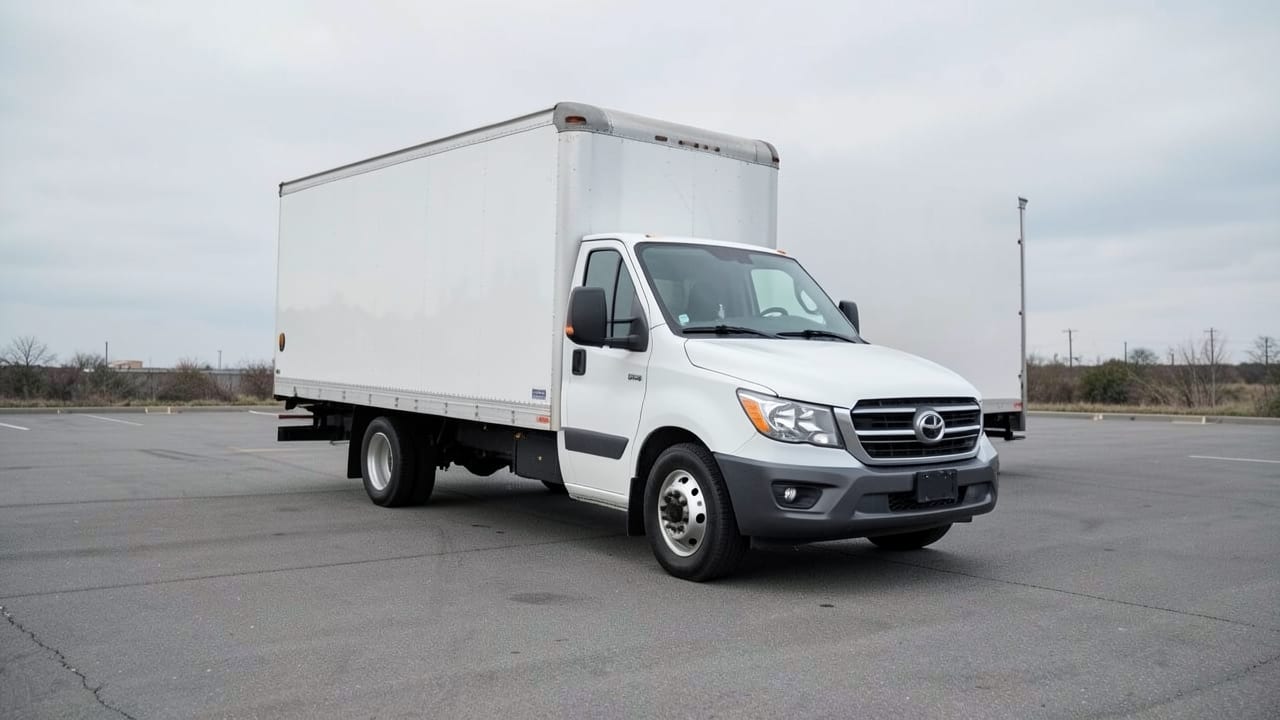
Fleet Washing in Bellevue, WA
Mobile fleet washing for commercial vehicles in Bellevue, WA — on-site cleaning for work trucks and vans.
Learn More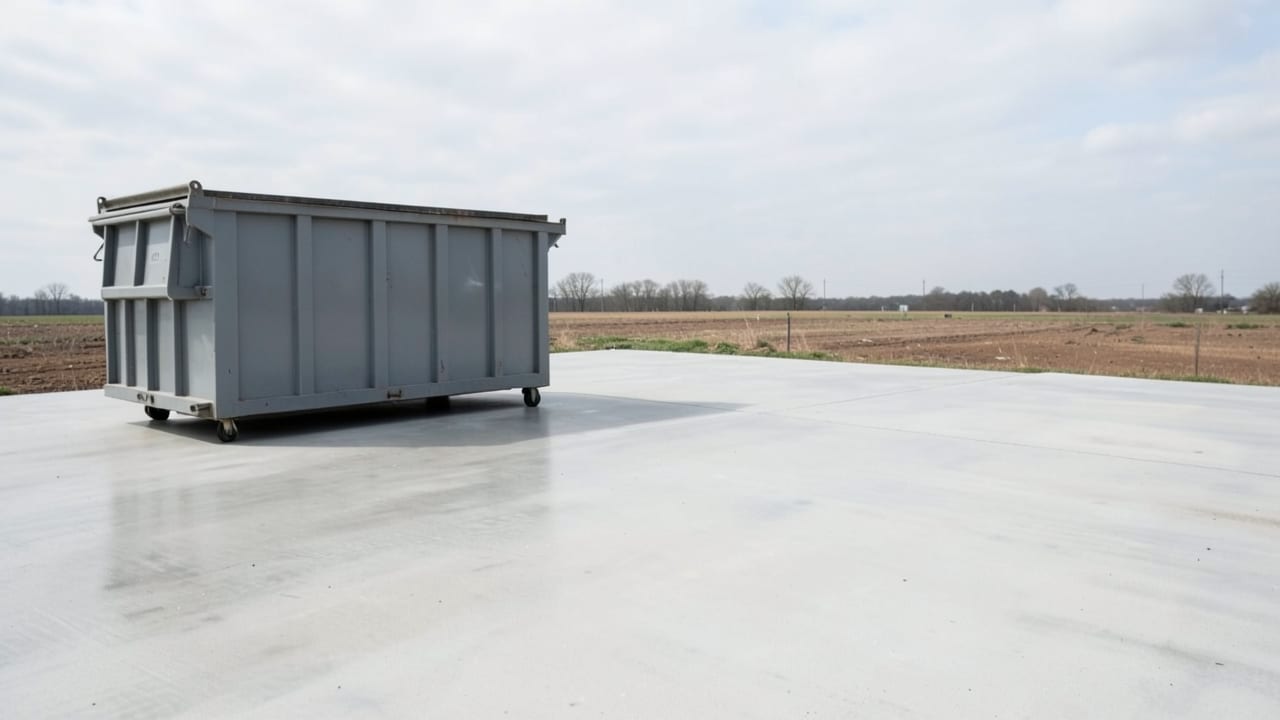
Dumpster Pad Cleaning in Bellevue, WA
Commercial dumpster pad cleaning in Bellevue, WA — hot-water sanitizing for grease, odor, and staining.
Learn More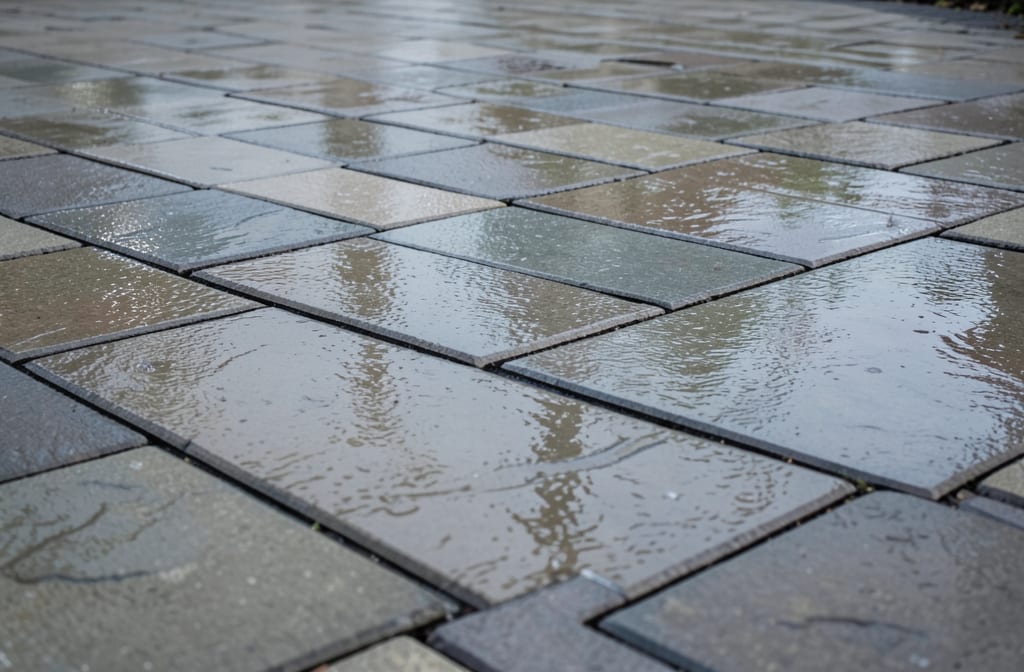
Paver Sealing in Bellevue, WA
Paver sealing in Bellevue, WA — a protective, wet-look finish applied after cleaning to lock in color and block stains.
Learn More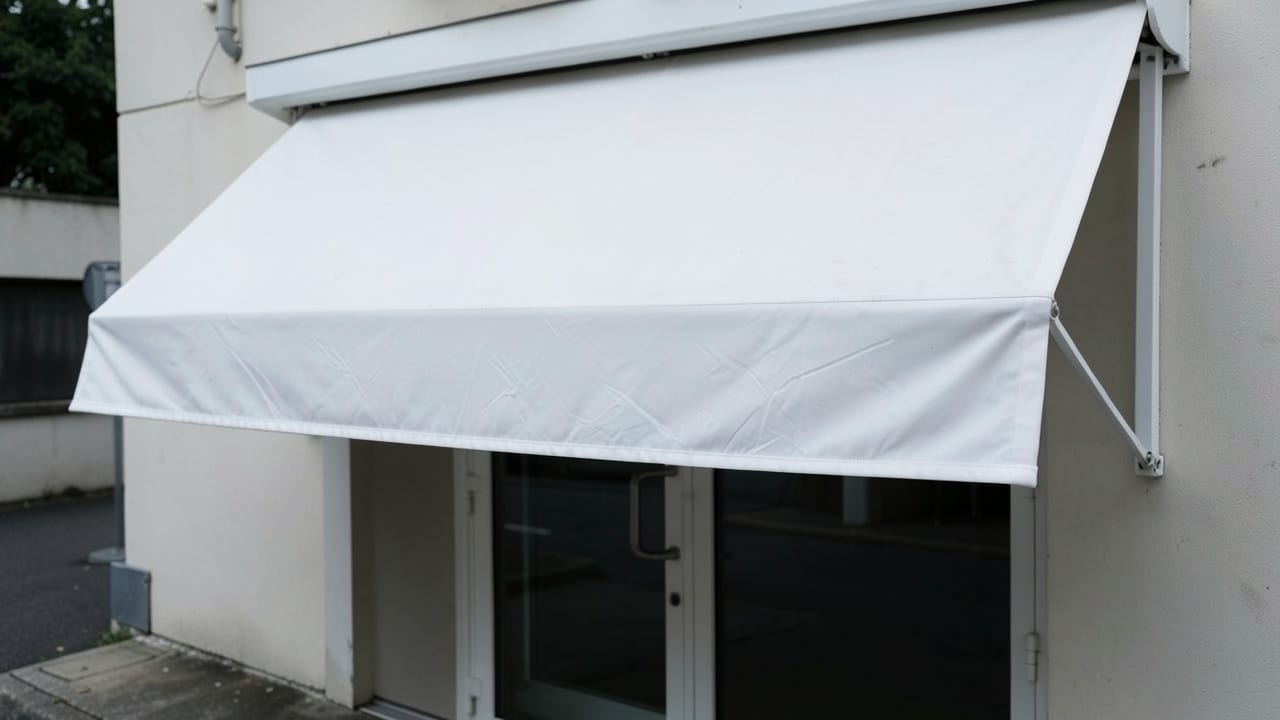
Awning & Canopy Cleaning in Bellevue, WA
Awning and canopy cleaning in Bellevue, WA — fabric-safe, low-pressure cleaning for storefront and residential awnings.
Learn More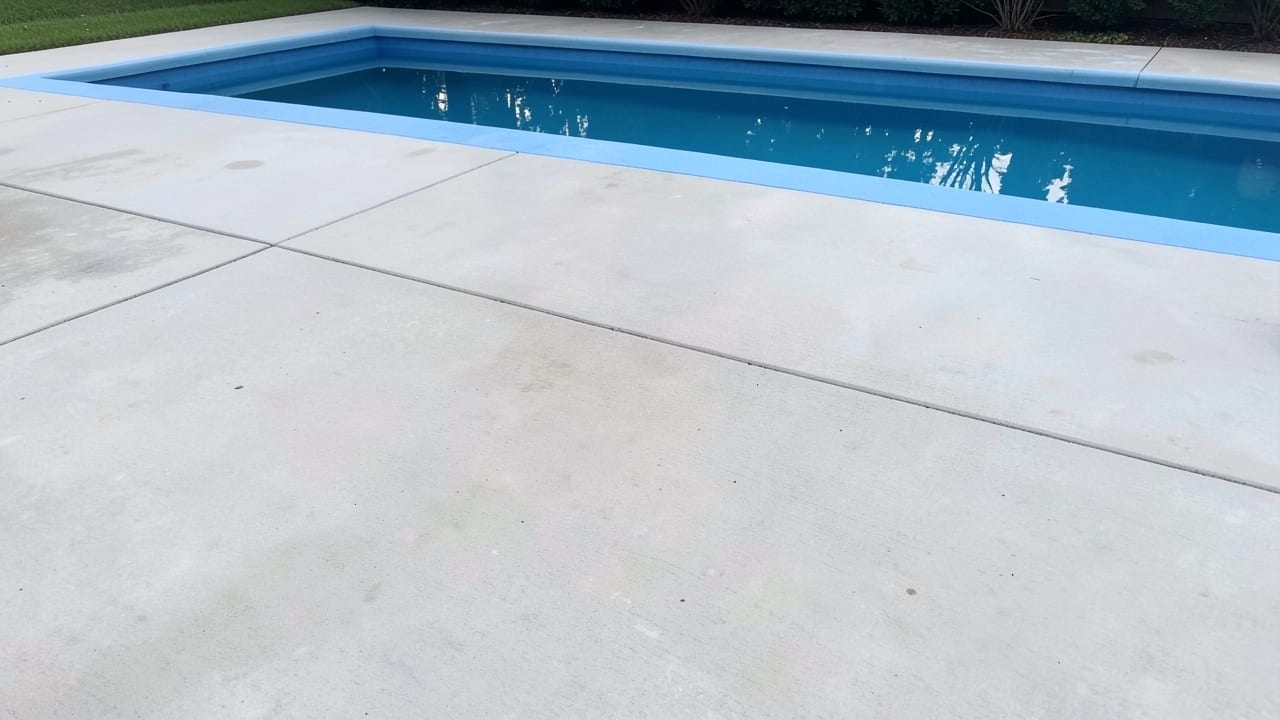
Pool Deck Cleaning in Bellevue, WA
Pool deck cleaning in Bellevue, WA — chemical-safe cleaning that restores slip resistance and removes algae staining.
Learn More
Rust Removal in Bellevue, WA
Professional pressure washing to remove rust stains from driveways, sidewalks, and exterior surfaces.
Learn MoreCommon Questions About Pressure Washing in Bellevue
Everything you need to know about pressure washing services in Bellevue
How much does Salt Deposit Removal typically cost in Bellevue, WA?
Does winter road salt affect driveway washing needs in Bellevue, WA?
Can the wrong PSI actually damage a house or driveway?
What's the actual difference between pressure washing and soft washing?
How often should a home's exterior actually be washed?
Are the cleaning chemicals used in soft washing safe for landscaping and pets?
Need Pressure Washing in Bellevue?
Get a written quote from our Bellevue crew.
⏰ We answer your call • Serving all of Bellevue and surrounding areas