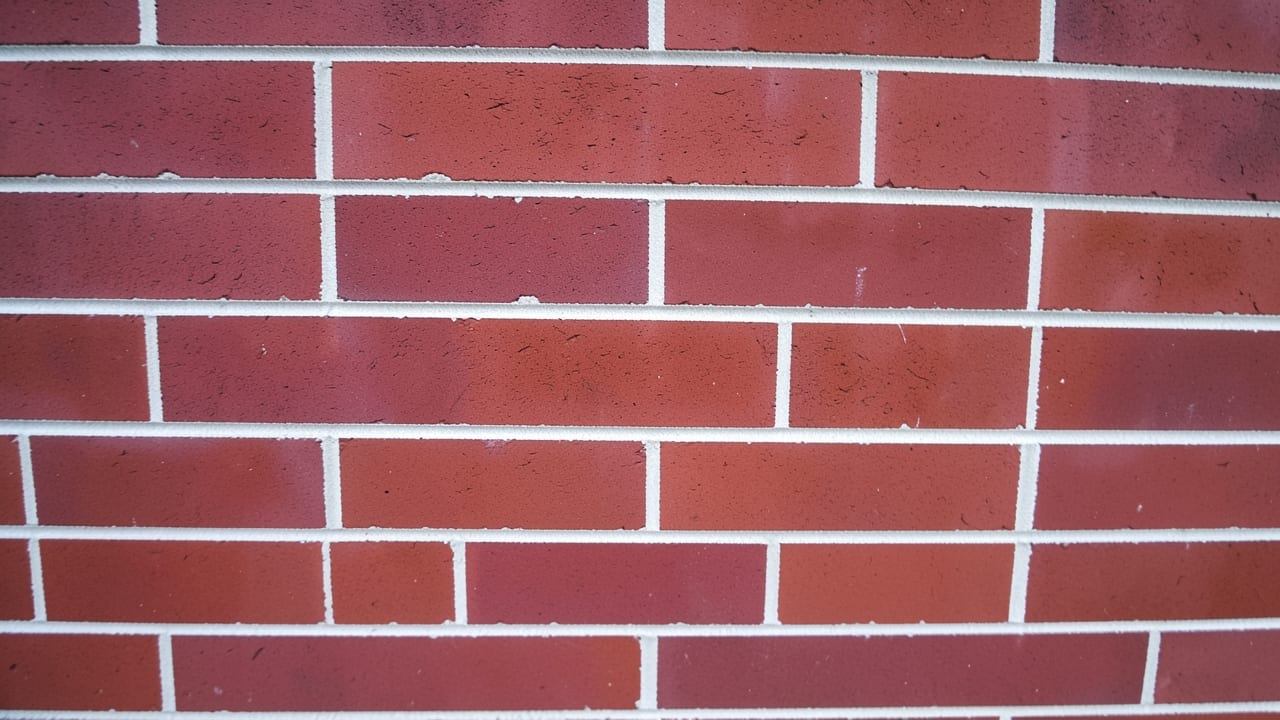
Brick Cleaning
Professional pressure washing to remove dirt, grime, and stains from brick surfaces.
Bellevue’s brick exteriors face years of dirt, algae, and mineral buildup from the region’s damp climate and urban air. Professional brick cleaning restores color and texture without damaging mortar or soft brick—critical for homes with older masonry or weathered surfaces.
A targeted approach protects joints while removing stains, efflorescence, and organic growth safely, even in the Pacific Northwest’s rainy season.
We also handle Salt Deposit Removal and Algae Treatment for Bellevue properties.
When to clean: signs your brick needs attention
Not all discoloration is dirt. A greenish-black film on shaded brick is algae or mildew, while a white, chalky haze is efflorescence—a mineral deposit from moisture moving through the masonry.
Both require different treatments than simple dirt. Dark staining concentrated below downspouts or rooflines points to runoff carrying dirt repeatedly to one spot, not just surface grime.
Check mortar joints for recession or crumbling before cleaning. If joints are visibly recessed or soft under a fingertip, they’ll erode faster under pressure. Ignoring this can turn a cleaning job into a costly repointing project.
Bellevue’s frequent rain also means trapped moisture in porous brick—washing right before cold snaps risks freeze-thaw cracks.
Red Flags for Brick Damage (Not Just Dirt)
- White, patchy haze on brick (efflorescence) — mineral deposits from moisture, not surface dirt.
- Greenish-black film worse on shaded sides (algae/mildew) — organic growth, not natural color variation.
- Mortar joints recessed or crumbling under fingertip pressure — weak mortar erodes faster under cleaning.
- Dark stains directly below downspouts or rooflines — runoff carrying dirt to one spot repeatedly.
- Pitting or rough texture on brick face — softer brick loses surface under high pressure.
What affects cost and timing?
Bellevue’s varied architecture means pricing depends on brick type, mortar condition, and wall complexity. Older or softer brick requires lower pressure and more careful technique, while modern brick can handle slightly higher settings.
Efflorescence or deep staining may need a chemical treatment, adding time and cost. Accessibility—like multi-story homes or tight spaces—also impacts labor hours.
Cleaning in winter or before rain risks trapping moisture in porous brick, which can freeze and crack the material. Scheduling in dry, mild weather (spring or fall) ensures the job dries properly and avoids freeze-thaw damage.
A full exterior clean typically costs between $1,500–$5,000+, but this varies based on square footage and surface conditions.
Before and after: what changes?
After cleaning, brick should look uniformly colored with restored texture, but mortar joints may appear more deteriorated—this is normal, as grime often hides damage. Efflorescence should disappear, though it may return if moisture issues (like poor drainage or downspout runoff) aren’t addressed.
A vapor-permeable sealer can help brick stay cleaner longer by reducing water absorption without trapping moisture inside the wall.
Recurring stains often point to fixable issues: redirecting downspouts away from walls, trimming vines or mulch from the foundation, or sealing cracks in siding that let water seep behind brick.
These steps prevent the same buildup from returning within months. In Bellevue’s climate, proactive maintenance—like annual inspections after heavy rains—keeps brick looking fresh longer.
| Issue | Before Cleaning | After Cleaning (If Addressed) |
|---|---|---|
| Efflorescence | White, chalky haze on brick face | Disappears; returns if moisture isn’t controlled |
| Algae/Mildew | Greenish-black film, worse in shade | Removed; requires ongoing airflow to prevent |
| Recessed Mortar | Joints look sunken or crumble easily | Damage revealed; may need repointing |
| Runoff Stains | Dark streaks below downspouts | Fades if downspouts are redirected |
| Pitting | Rough, eroded brick texture | Texture preserved if pressure is adjusted |
How brick cleaning works
A professional brick cleaning follows a precise process to remove stains without damaging mortar or soft brick.
- 1Mortar and Surface Inspection
Mortar joints are checked for crumbling or recession, and brick is assessed for hardness. Softer or older brick requires lower pressure to avoid pitting.
- 2Pre-Treatment for Stains
Efflorescence and organic stains are treated with a masonry-safe solution to lift deposits without scrubbing, which can pit softer surfaces.
- 3Low-to-Medium Pressure Washing
Pressure is directed across the brick face—not into joints—to avoid accelerating mortar erosion, using 1,200–2,000 PSI for most brick types.
- 4Detail Work on Edges and Joints
Corners, window sills, and areas near mortar are finished with reduced pressure and closer distance control to balance cleaning without weakening joints.
- 5Final Rinse and Inspection
Loosened residue is rinsed away, and mortar joints are rechecked for hidden damage. A vapor-permeable sealer may be applied to reduce future water absorption.
Frequently asked questions
Will pressure washing damage my brick or mortar?
Not if done correctly. Professionals use low-to-medium pressure (1,200–2,000 PSI) across the brick face, never directly into joints, to avoid eroding already-weak mortar. Softer or older brick may need even lower settings to prevent pitting.
Why does my brick look white after cleaning?
That’s efflorescence—a mineral deposit from moisture moving through the masonry. It’s not dirt and won’t wash away with water alone. A masonry-safe solution dissolves it, but if moisture issues (like poor drainage) aren’t fixed, it can return.
Can I clean my brick myself, or should I hire a pro?
DIY risk includes damaging mortar with improper pressure or using harsh chemicals that pit brick. Pros inspect mortar first, adjust pressure per brick type, and treat stains safely. In Bellevue’s climate, a botched job can trap moisture and cause freeze-thaw cracks in winter.
How long does brick cleaning last before stains return?
With proper aftercare (redirecting downspouts, sealing cracks, and using a vapor-permeable sealer), cleaned brick stays fresh 3–5 years. Recurring stains often signal fixable issues like poor drainage or dense plantings against the foundation.
Where Bellevue sits, and what the Census lists nearby
Bellevue sits in Washington, and the closest places listed in the U.S. Census Gazetteer are Beaux Arts Village (2.4 miles west), Clyde Hill (3.6 miles northwest), Mercer Island (4.2 miles southwest), Yarrow Point (4.4 miles northwest).
Within 25 miles of Bellevue the same source lists 110 distinct incorporated places and census-designated places.
Those figures matter for brick cleaning because they are straight-line distances between Census coordinate points: road mileage between Bellevue and Beaux Arts Village runs longer than the 2.4 miles shown, which is why quotes for the same job differ between towns that look close together on a map.
Source: U.S. Census Bureau Gazetteer.
See Ames Lake, WA for more, or discover our full Bellevue-area coverage by category for our complete lineup.
Ready to get started?
Talk to a local pressure washing pro in Bellevue — get a written quote.
Other Pressure Washing Services in Bellevue
Salt Deposit Removal in Bellevue, WA
High-pressure washing to remove salt deposits from surfaces like driveways and sidewalks.
Learn More
Algae Treatment in Bellevue, WA
Professional pressure washing to remove algae from exterior surfaces like roofs, siding, and driveways.
Learn More
Spring Pollen Removal in Bellevue, WA
High-pressure washing to remove pollen buildup from exterior surfaces.
Learn More
Pre-Sale Exterior Refresh in Bellevue, WA
High-pressure cleaning of home exteriors, driveways, decks, and walkways to remove dirt, grime, and stains.
Learn More
Restoration Wash in Bellevue, WA
High-pressure cleaning to remove dirt, grime, and stains from exterior surfaces.
Learn More
House Washing in Bellevue, WA
Soft-wash exterior house washing for siding, brick, and stucco in Bellevue, WA — removes dirt, moss and algae, without damaging the surface.
Learn MoreCommon Questions About Pressure Washing in Bellevue
Everything you need to know about pressure washing services in Bellevue
How much does Brick Cleaning typically cost in Bellevue, WA?
Does winter road salt affect driveway washing needs in Bellevue, WA?
What's the actual difference between pressure washing and soft washing?
How often should a home's exterior actually be washed?
Are the cleaning chemicals used in soft washing safe for landscaping and pets?
Would home insurance cover damage caused by improper pressure washing?
Need Pressure Washing in Bellevue?
Get a written quote from our Bellevue crew.
⏰ We answer your call • Serving all of Bellevue and surrounding areas