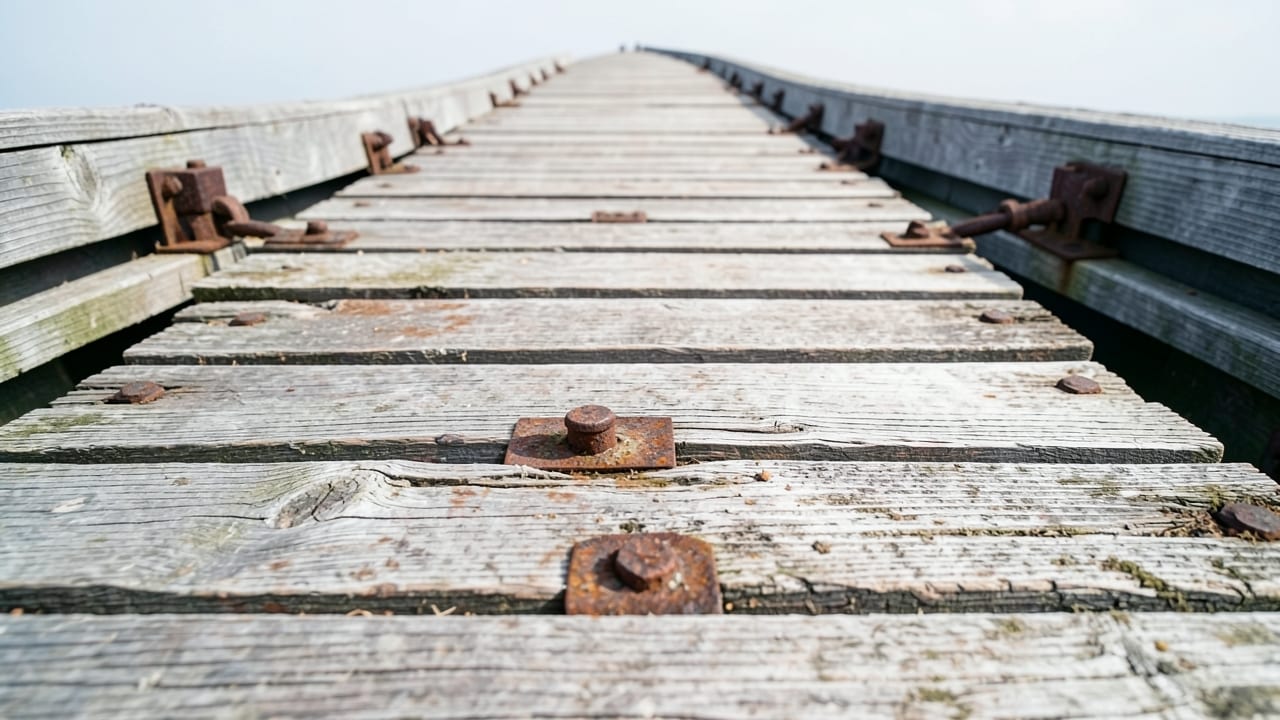
Boat Dock Cleaning
Pressure washing to remove algae, grime, and debris from boat docks and surrounding areas.
Boat dock cleaning in Bellevue, WA, involves specialized pressure washing to remove algae, mold, and grime from wood, composite, or concrete docks. This service restores safety and appearance while preventing long-term damage from moisture buildup.
Local conditions—like frequent rain and shaded docks—demand careful, low-pressure techniques to avoid harming wood fibers or driving water into joints. Proper cleaning also extends the life of your dock’s sealant and protects against rot or splintering.
We also handle Mailbox Cleaning and Exterior Door Cleaning for Bellevue properties.
When your dock needs cleaning
Even if your dock looks clean, subtle signs indicate it’s time for professional attention. An even gray fade across the wood signals UV damage breaking down surface fibers, while greenish or black films under railings or in shaded corners point to algae or mildew thriving in trapped moisture.
These issues worsen over time, leading to rougher, splinter-prone wood and water that soaks in instead of beading off—a clear sign the sealant has worn through.
Leaves and debris left for a season break down into organic matter that feeds algae directly into the wood grain. Docks built low to the ground or with poor airflow underneath stay damp longer after rain, accelerating graying and mildew.
Regular sweeping and rotating items like furniture or rugs off the dock helps prevent localized staining and moisture buildup.
Signs Your Dock Needs Cleaning
- Gray, even fade replacing the original wood tone or stain (UV damage breaking down fibers).
- Greenish or black films concentrated under railings, in shaded corners, or where airflow is restricted.
- Wood feels rougher or splinters more easily than before, even with no visible damage.
- Water soaks into the wood instead of beading off, indicating worn or missing sealant.
- Accumulated leaves or debris that have broken down into the grain, creating a damp microcliente.
What affects pricing and timing
The size and material of your dock—wood, composite, or concrete—directly impact the time and technique required. Wood docks, especially older or weathered ones, need lower pressure and careful handling to avoid gouging or driving water into joints.
Composite and concrete surfaces can handle higher pressure but may require different detergents to avoid streaking or damage. Shaded or high-traffic docks also take longer due to stubborn algae or mildew buildup.
Weather plays a critical role: cleaning in direct sunlight can dry surfaces too quickly, while rain or high humidity may delay work to prevent water from seeping into the wood. A full drying period of 48 hours before sealing is standard, so scheduling around Bellevue’s frequent rain is essential.
Seasonal factors, like fall leaf buildup or winter algae growth, can also influence timing and pricing.
Before and after: what to expect
A professional boat dock cleaning goes beyond surface-level cleaning. Before the job, every surface is inspected for wood condition, algae, or mold—especially in tight corners or under railings.
The process uses a low-pressure detergent wash to lift grime without damaging fibers, followed by a controlled rinse that follows the wood grain. Hand detailing ensures railings and stair treads are spotless, while a final dry-out period prevents moisture from trapping under new sealant.
After cleaning, your dock should look refreshed and uniformly colored, with no fuzzy or splintery textures from improper pressure. The surface will feel smooth and dry to the touch, and any pre-existing damage—like loose boards or cracked sealant—will be clearly visible.
Proper drying and sealing afterward protect against future algae, mold, and weathering, extending the life of your dock.
Using high pressure on old or soft wood gouges the grain, leaving a fuzzy texture. Spraying directly into board joints drives water into framing, causing hidden rot. Sealing over damp wood traps moisture, leading to bubbles or peeling within a year.
How boat dock cleaning works
A thorough dock cleaning balances pressure, chemistry, and technique to restore your wood, composite, or concrete surfaces safely.
- 1Inspect and Assess
The dock’s wood type and condition—soft, weathered, or recently sealed—determine the pressure and method used. Older wood requires lower pressure to avoid gouging, while composite or concrete can handle higher settings. Algae, mold, and gray weathering are identified for targeted treatment.
- 2Low-Pressure Detergent Wash
A wood-safe cleaning solution is applied at low pressure to lift algae, mildew, and grime without driving water into the grain. The spray follows the wood grain, not across it, to prevent fiber damage. Stubborn areas may need a second pass with a stiff brush.
- 3Hand Detail Tight Spaces
Railings, stair treads, and narrow gaps between boards are cleaned by hand or with a brush to avoid gouging. A wide fan tip held at an angle can tear soft wood, so precision tools ensure every surface is reached without damage.
- 4Controlled Rinse and Dry
The rinse uses low pressure to remove detergent and debris, always following the grain to prevent water from pooling in joints. The dock is left to dry fully—typically 48 hours—before sealing to avoid trapping moisture under new coatings.
- 5Post-Cleaning Care
Sealant is applied only after the wood is completely dry. Regular maintenance—like sweeping debris, rotating furniture, and resealing before the product’s protective window expires—keeps the dock clean and protected longer.
Frequently asked questions
How do I know if my dock’s wood is too damaged for pressure washing?
If the wood feels spongy, has deep cracks, or splinters easily, pressure washing may cause more harm. A professional can assess whether the dock needs cleaning, repair, or replacement. Surface-level graying or mild algae can usually be safely treated with the right technique.
Will pressure washing harm my dock’s sealant?
No, when done correctly. Low-pressure methods and wood-safe detergents clean without stripping sealant. However, sealing over damp wood traps moisture, so a full drying period (48+ hours) is required before reapplying any protective coating.
How often should I clean and reseal my dock?
Resealing depends on the product and sun exposure—typically every 1–3 years. Cleaning should happen annually or when you notice graying, algae, or water soaking in. Rotating items off the dock and sweeping debris regularly also reduce buildup between cleanings.
Can I pressure wash my dock myself, or should I hire a pro?
DIY washing risks gouging wood, driving water into joints, or using the wrong detergent. Professionals use calibrated pressure, wood-safe chemicals, and hand tools for tight spaces. For wood docks, the expertise ensures a clean finish without damage.
Where Bellevue sits, and what the Census lists nearby
Bellevue sits in Washington, and the closest places listed in the U.S. Census Gazetteer are Beaux Arts Village (2.4 miles west), Clyde Hill (3.6 miles northwest), Mercer Island (4.2 miles southwest), Yarrow Point (4.4 miles northwest).
Within 25 miles of Bellevue the same source lists 110 distinct incorporated places and census-designated places.
Those figures matter for boat dock cleaning because they are straight-line distances between Census coordinate points: road mileage between Bellevue and Beaux Arts Village runs longer than the 2.4 miles shown, which is why quotes for the same job differ between towns that look close together on a map.
Source: U.S. Census Bureau Gazetteer.
See Tukwila, WA for more, or discover the pressure washing work we do around Bellevue across the area for our complete lineup.
Ready to get started?
Talk to a local pressure washing pro in Bellevue — get a written quote.
Other Pressure Washing Services in Bellevue
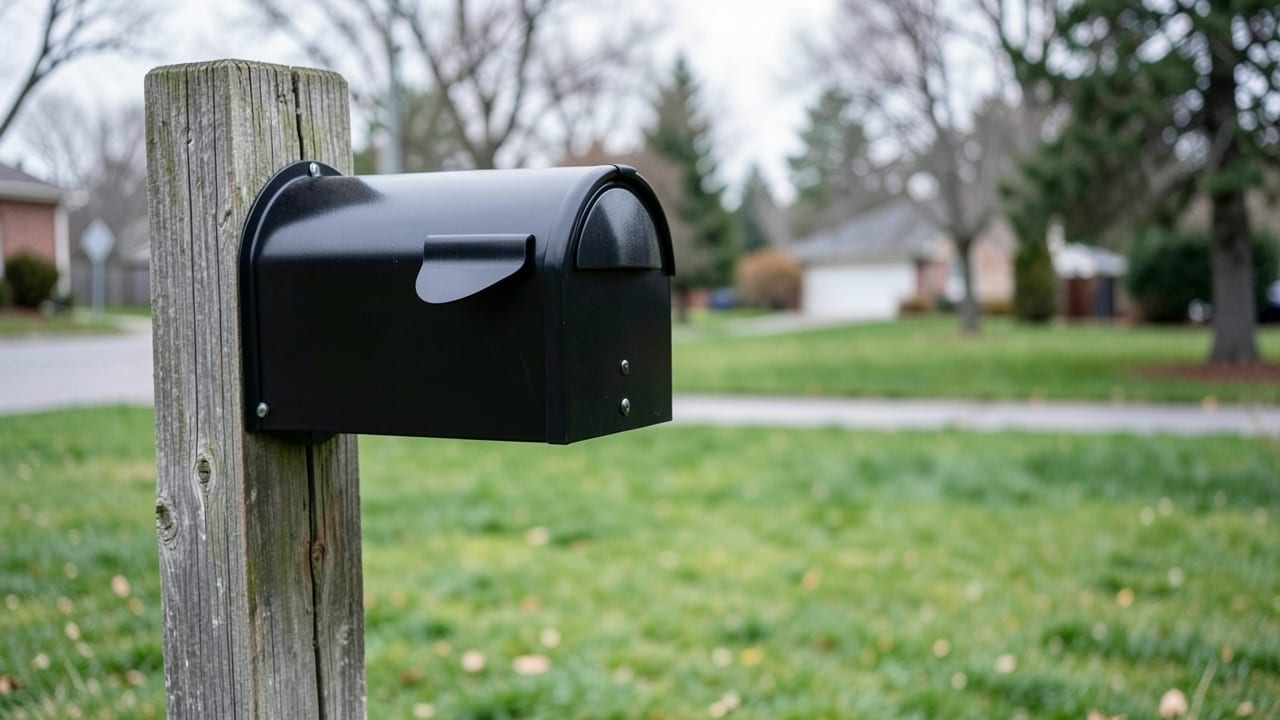
Mailbox Cleaning in Bellevue, WA
Pressure washing to remove dirt, grime, and stains from mailboxes.
Learn More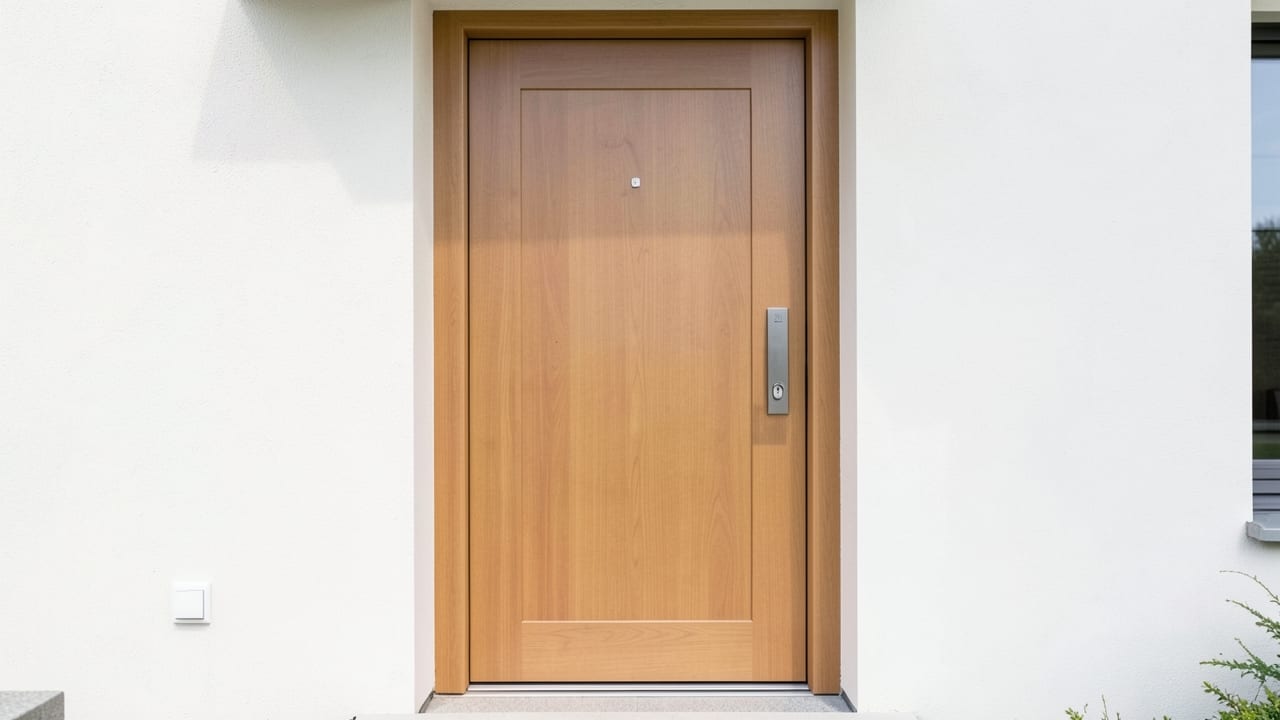
Exterior Door Cleaning in Bellevue, WA
High-pressure cleaning to remove dirt, grime, and stains from exterior doors.
Learn More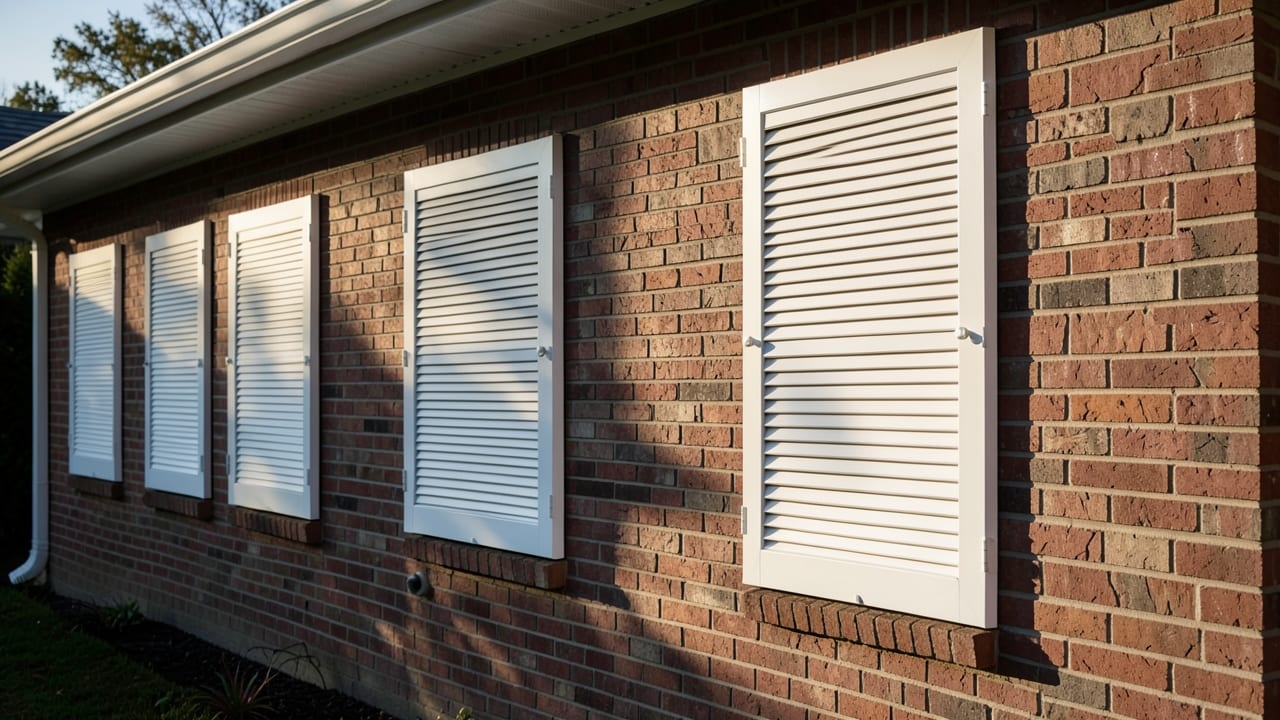
Shutter Cleaning in Bellevue, WA
Professional pressure washing to remove dirt, grime, and debris from exterior shutters.
Learn More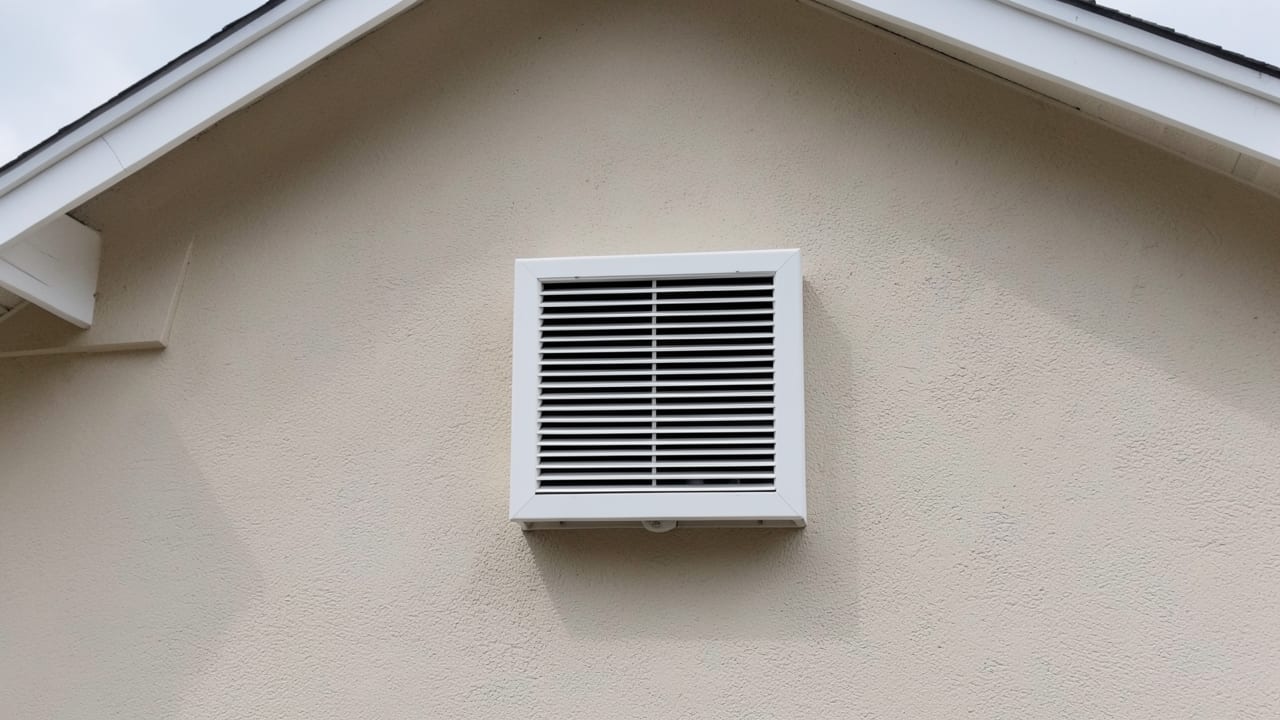
Exterior Vent Cleaning in Bellevue, WA
Professional cleaning of exterior vents using pressure washing to remove dirt, debris, and blockages.
Learn More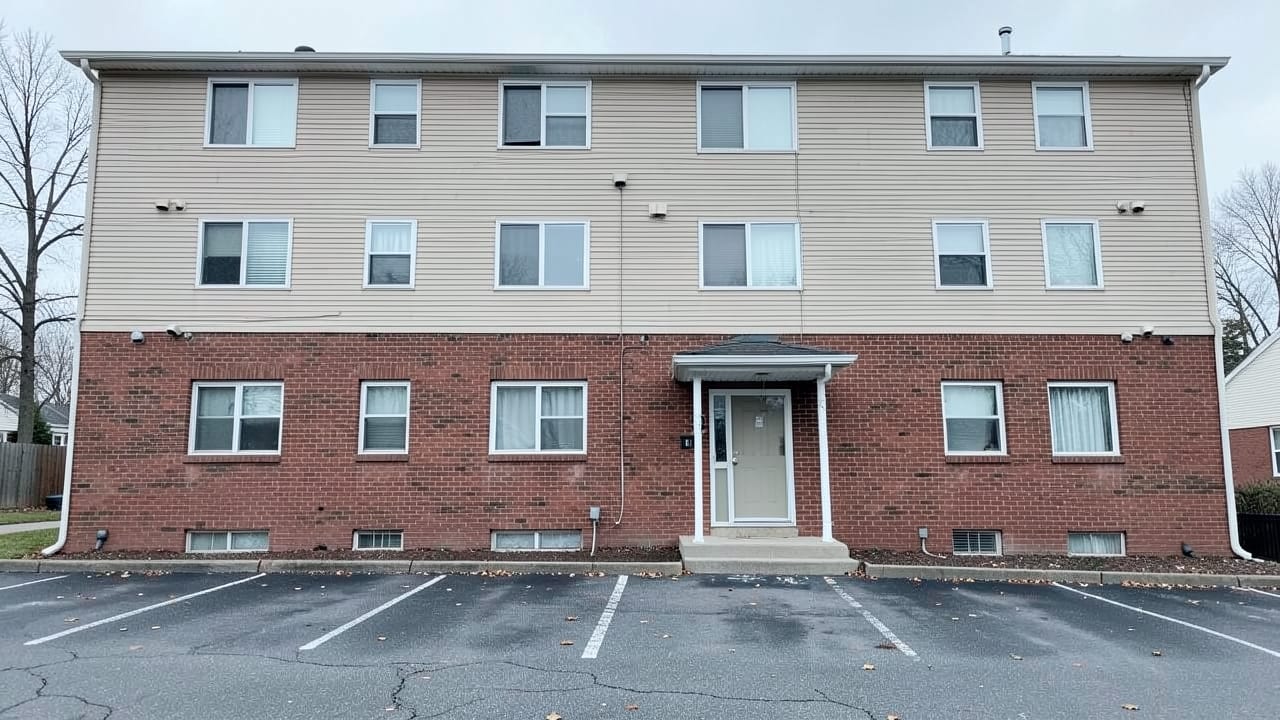
Apartment Complex Washing in Bellevue, WA
High-pressure cleaning of apartment building exteriors, walkways, and common areas to remove dirt and grime.
Learn More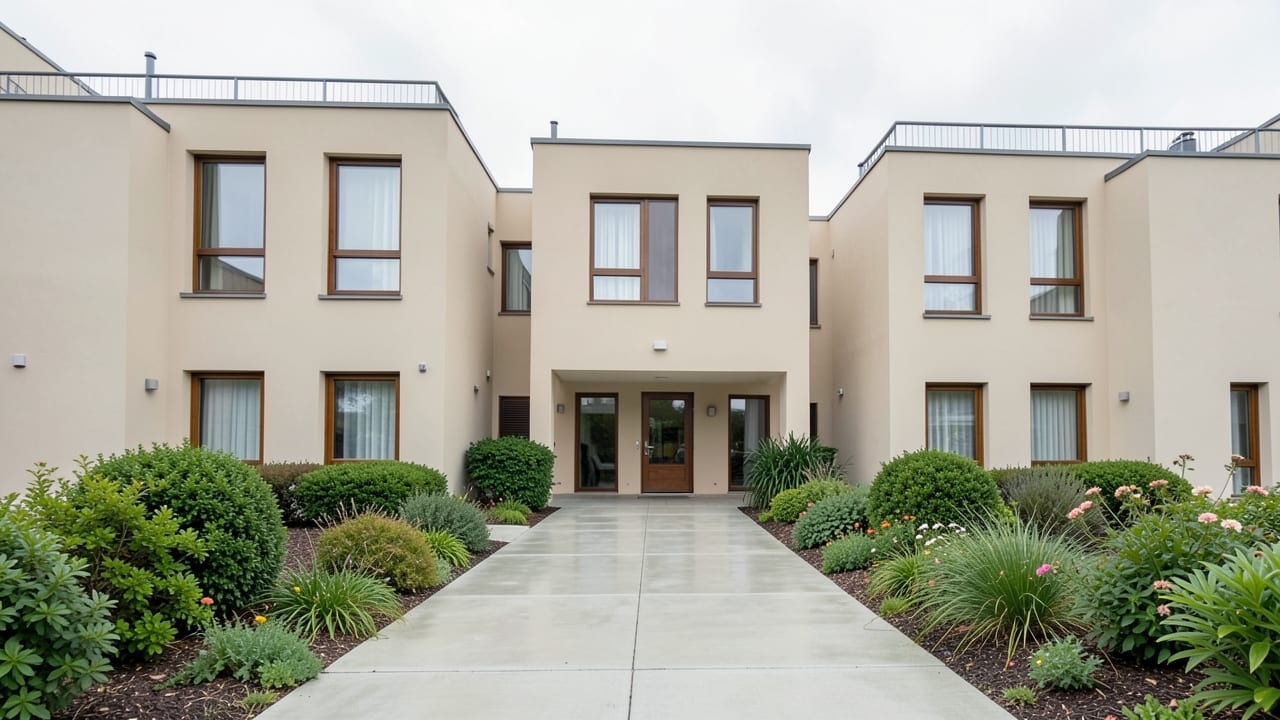
Condo Association Washing in Bellevue, WA
High-pressure cleaning of condo association exteriors, walkways, and common areas to remove dirt and grime.
Learn MoreCommon Questions About Pressure Washing in Bellevue
Everything you need to know about pressure washing services in Bellevue
How much does Boat Dock Cleaning typically cost in Bellevue, WA?
Does winter road salt affect driveway washing needs in Bellevue, WA?
Can the wrong PSI actually damage a house or driveway?
What's the actual difference between pressure washing and soft washing?
How often should a home's exterior actually be washed?
Are the cleaning chemicals used in soft washing safe for landscaping and pets?
Need Pressure Washing in Bellevue?
Get a written quote from our Bellevue crew.
⏰ We answer your call • Serving all of Bellevue and surrounding areas