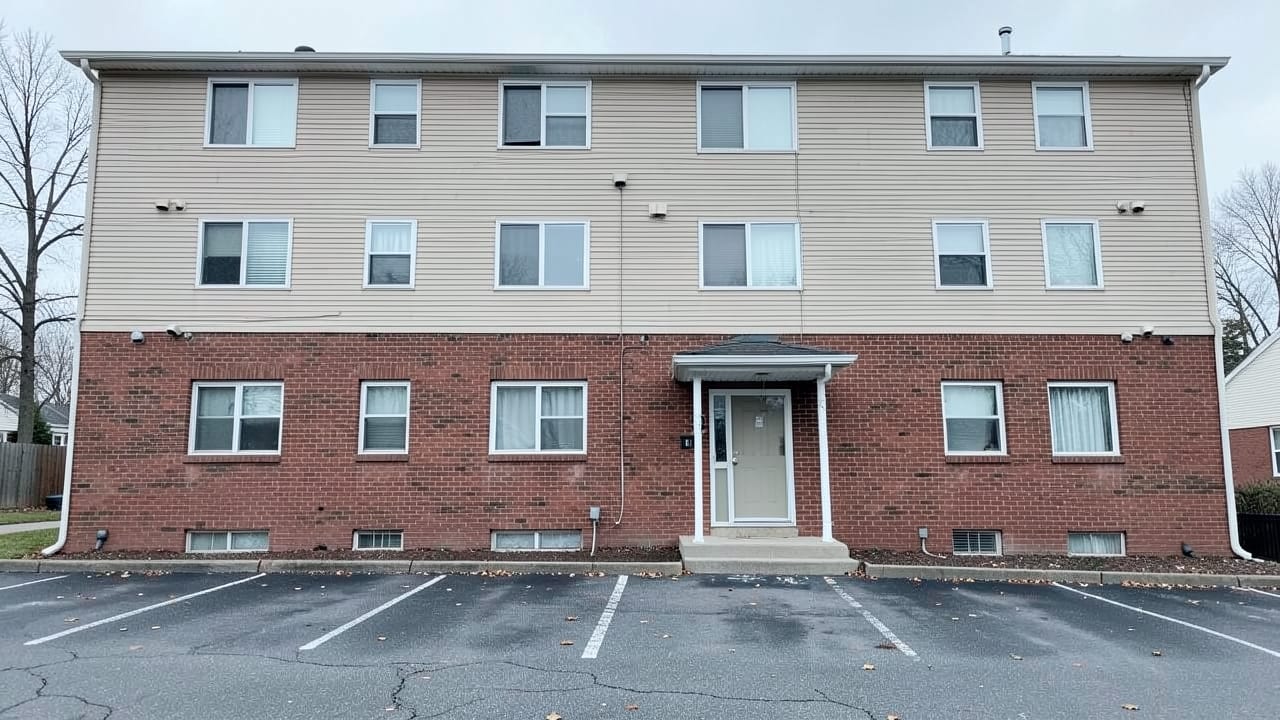
Apartment Complex Washing
High-pressure cleaning of apartment building exteriors, walkways, and common areas to remove dirt and grime.
Pressure washing your home’s exterior in Bellevue, WA, removes built-up dirt, mold, and stains from siding, walkways, and balconies, restoring curb appeal and protecting your property’s value.
The city’s damp climate and lush greenery create ideal conditions for algae and mildew, making regular cleaning essential to prevent long-term damage and maintain a fresh, well-kept appearance.
We also handle Glass Railing Cleaning and Stone Patios Cleaning for Bellevue properties.
When to pressure wash your home’s exterior
Bellevue’s mix of dense trees, frequent rain, and shaded walls creates perfect conditions for algae and mildew to take hold. Look for green or black streaks on siding, especially on north-facing walls or areas with little sunlight.
These stains spread over time and aren’t just dirt—they’re biological growth that weakens siding materials if left untreated.
Other signs include a chalky residue when you run your hand over the surface (indicating oxidation or grime buildup) or cobwebs and debris collecting in corners, under eaves, or around light fixtures. These are early warning signs that the rest of your home’s exterior may need attention soon.
A quick test—removing a small item like a house number and comparing the clean patch to the surrounding area—can reveal how much dirt has accumulated.
Signs Your Home Needs Pressure Washing
- Green or black streaks on siding (algae or mildew, often on shaded walls)
- Chalky residue when touching the surface (oxidation or grime buildup)
- Cobwebs or debris in corners, under eaves, or around fixtures (early grime accumulation)
- Visible fading or discoloration when comparing clean vs. exposed siding patches
- Water stains or streaks running down walls from gutters or roof overflow
What affects pricing and timing for your home
The scope of the job and your home’s specific conditions shape the cost and time needed. For example, homes with large overhangs, multiple stories, or heavily shaded walls may require extra time and care to avoid missing spots or damaging surfaces.
The type of siding—vinyl, wood, stucco, or fiber cement—also matters, as each material needs a tailored approach to avoid streaking or damage.
Additional factors include the need to protect landscaping (which requires pre-wetting and covering plants) and whether your home has features like intricate trim or decorative elements that demand careful handling.
Unlike commercial projects, residential pressure washing is typically quoted per job after an inspection, not based on a fixed price per square foot.
Common mistakes to avoid
Using the wrong pressure or technique can do more harm than good. For instance, blasting siding with high pressure (above 500 psi) can force water behind panels, leading to hidden mold or rot.
Similarly, inconsistent pass speed—moving the wand too quickly or slowing down unevenly—leaves streaks or ‘zebra striping’ on light-colored vinyl, which is nearly impossible to fix without re-washing.
Another mistake is ignoring pre-treatment with the correct detergent for your siding material. Skipping this step means relying solely on pressure to remove deep-seated algae and mildew, which often leaves residue and requires multiple passes.
Always confirm the provider uses a low-pressure rinse (under 500 psi) and a detergent formulated for your specific siding type.
| Mistake | Risk | Solution |
|---|---|---|
| Using high pressure (>500 psi) on siding | Forces water behind panels, causing hidden mold or rot | Use a wide-fan tip at low pressure (under 500 psi) and rinse top-to-bottom |
| Inconsistent wand speed | Leaves streaks or ‘zebra striping’ on light-colored siding | Move the wand at a steady speed in overlapping passes |
| Skipping detergent pre-treatment | Leaves algae/mildew residue, requiring re-washing | Apply a material-specific detergent and let it dwell before rinsing |
| Ignoring gutters or landscaping | Overflowing gutters or vegetation touching siding speeds re-dirtiness | Clear gutters and trim back plants to create a gap against the wall |
How pressure washing works for your home’s exterior
A professional pressure wash transforms your home’s exterior with precision and care.
- 1Surface Protection
Landscaping near the foundation is wetted down and covered, and outlets or fixtures are bagged to prevent detergent runoff or overspray damage. This step ensures no collateral harm to plants or electrical components before a single nozzle is activated.
- 2Detergent Pre-Treatment
A cleaning solution tailored to your siding type—vinyl, wood, stucco, or fiber cement—is applied at low pressure and left to dwell. This chemically breaks down algae and mildew, making it easier to rinse away without high-pressure blasting.
- 3Soft-Wash Rinse
The siding is rinsed using a wide-fan tip at under 500 psi, working top-to-bottom in overlapping passes. This method prevents streaking and ensures even coverage without damaging the surface.
- 4Spot Treatment
Areas with heavy algae or stubborn stains receive a second, concentrated pass rather than increased pressure. Higher pressure risks pushing water behind siding seams, leading to hidden mold or rot.
- 5Final Inspection
A clear-water rinse removes all detergent residue, and the siding is walked in daylight to check for missed spots or damage. Any lifting panels or pre-existing issues are noted for separate attention.
Frequently asked questions
How often should I pressure wash my home’s exterior in Bellevue?
In Bellevue’s damp climate, most homes benefit from pressure washing every 18–24 months. However, shaded walls, north-facing sections, or homes with heavy tree coverage may need attention every 12–18 months to prevent algae and mildew buildup. Regular gutter cleaning also helps extend the time between washes.
Will pressure washing damage my siding or landscaping?
When done correctly, pressure washing won’t damage siding if the right pressure (under 500 psi) and detergent are used. Landscaping is protected by pre-wetting and covering plants, but some detergents can still affect sensitive greenery—always confirm the provider uses pet- and plant-safe chemicals.
Can I tell if my siding needs cleaning just by looking at it?
Yes, but some signs are subtle. Look for green or black streaks (algae/mildew), chalky residue when touching the surface (grime buildup), or cobwebs in corners. A simple test is removing a small item like a house number and comparing the clean patch to the surrounding area—if the exposed siding looks dirtier, it’s time for a wash.
Does pressure washing remove all stains, or will some come back faster?
Pressure washing removes most stains, but areas with persistent moisture—like sections touched by vegetation or sprinklers—will re-dirt faster. Trimming back plants and ensuring gutters aren’t overflowing can slow this down. North-facing walls may also need more frequent attention due to lower sun exposure.
Where Bellevue sits, and what the Census lists nearby
Bellevue sits in Washington, and the closest places listed in the U.S. Census Gazetteer are Beaux Arts Village (2.4 miles west), Clyde Hill (3.6 miles northwest), Mercer Island (4.2 miles southwest), Yarrow Point (4.4 miles northwest).
Within 25 miles of Bellevue the same source lists 110 distinct incorporated places and census-designated places.
Those figures matter for apartment complex washing because they are straight-line distances between Census coordinate points: road mileage between Bellevue and Beaux Arts Village runs longer than the 2.4 miles shown, which is why quotes for the same job differ between towns that look close together on a map.
Source: U.S. Census Bureau Gazetteer.
See Cottage Lake, WA for more, or discover everything Bellevue homeowners can book with us by neighborhood for our complete lineup.
Ready to get started?
Talk to a local pressure washing pro in Bellevue — get a written quote.
Other Pressure Washing Services in Bellevue
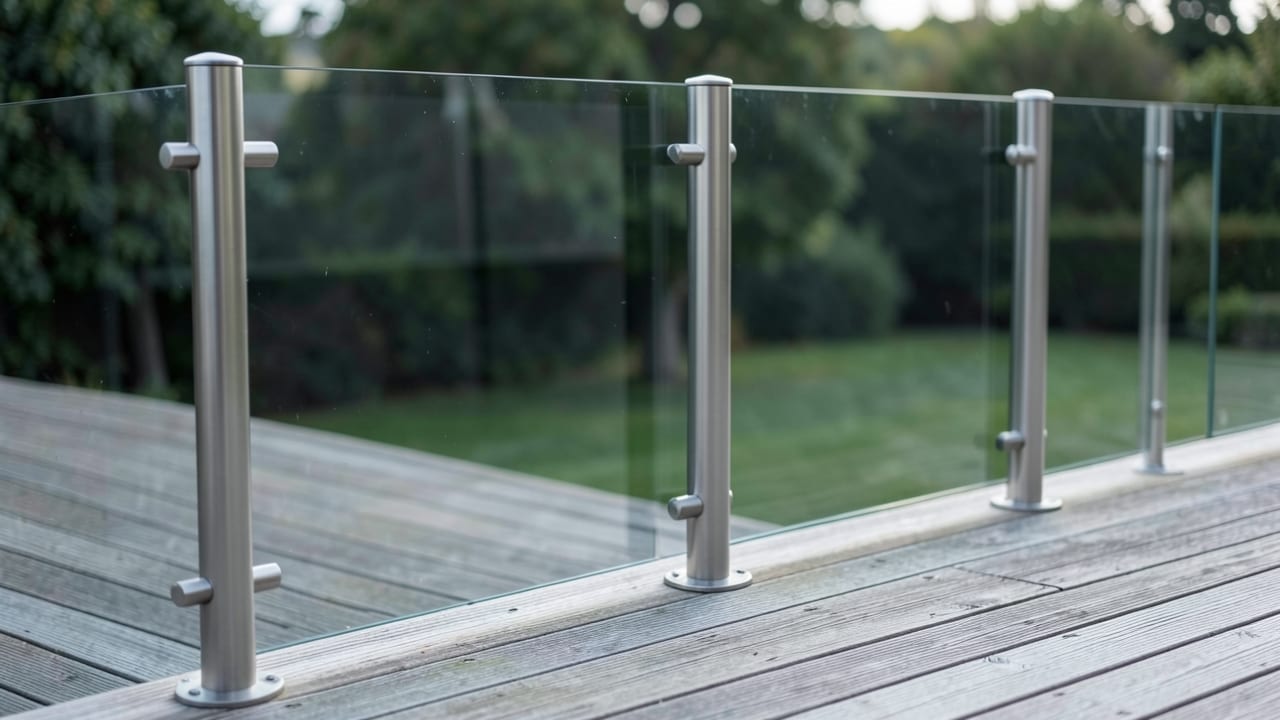
Glass Railing Cleaning in Bellevue, WA
High-pressure cleaning to remove dirt, grime, and water spots from glass railings.
Learn More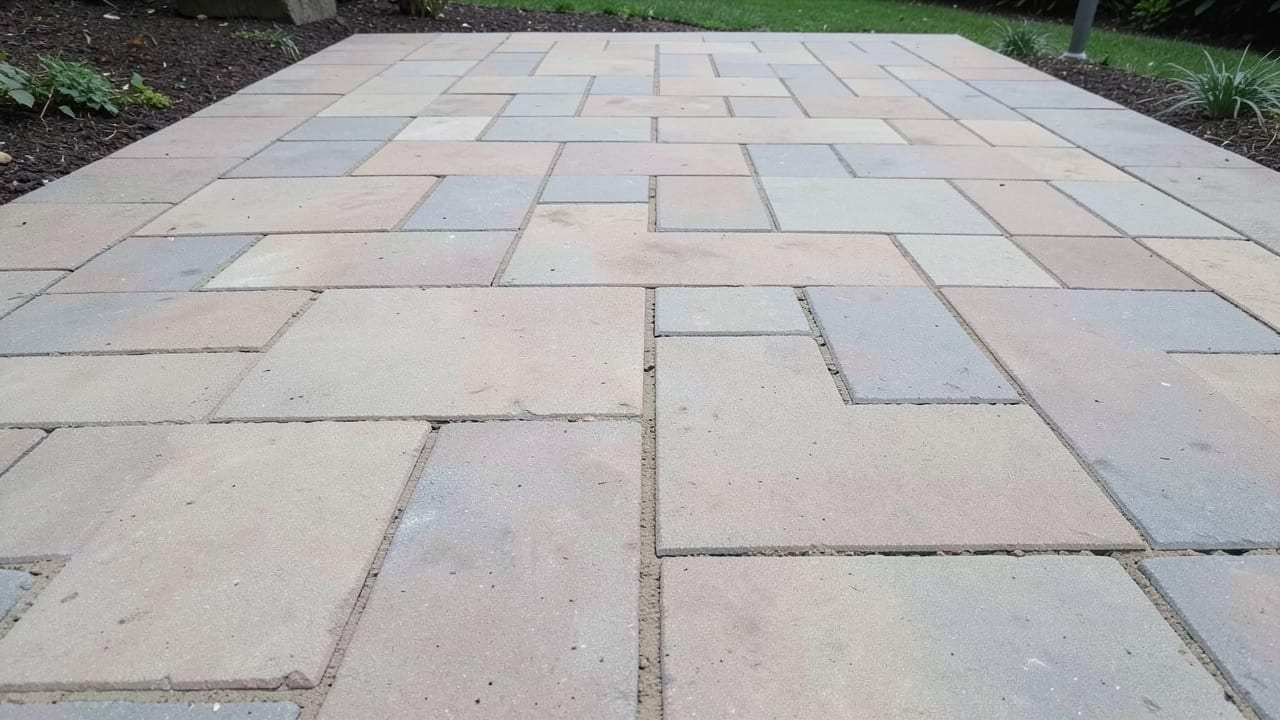
Stone Patios Cleaning in Bellevue, WA
High-pressure washing to remove dirt, stains, and grime from stone patio surfaces.
Learn More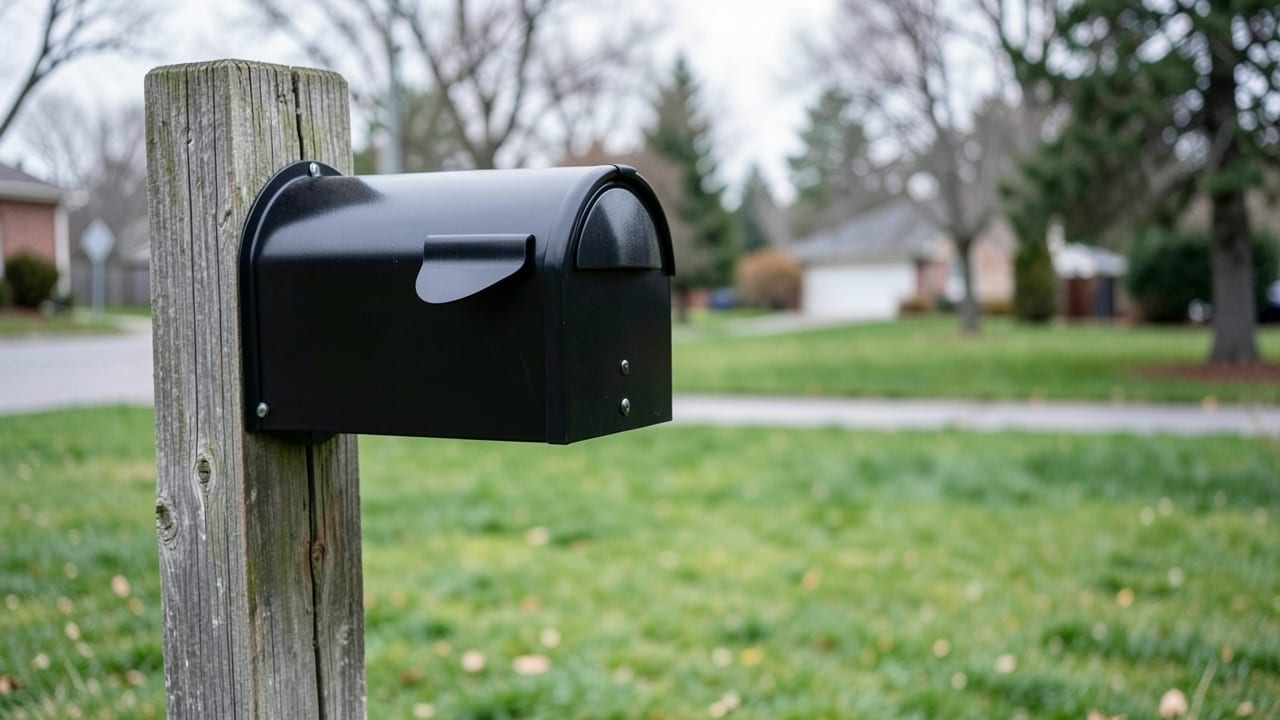
Mailbox Cleaning in Bellevue, WA
Pressure washing to remove dirt, grime, and stains from mailboxes.
Learn More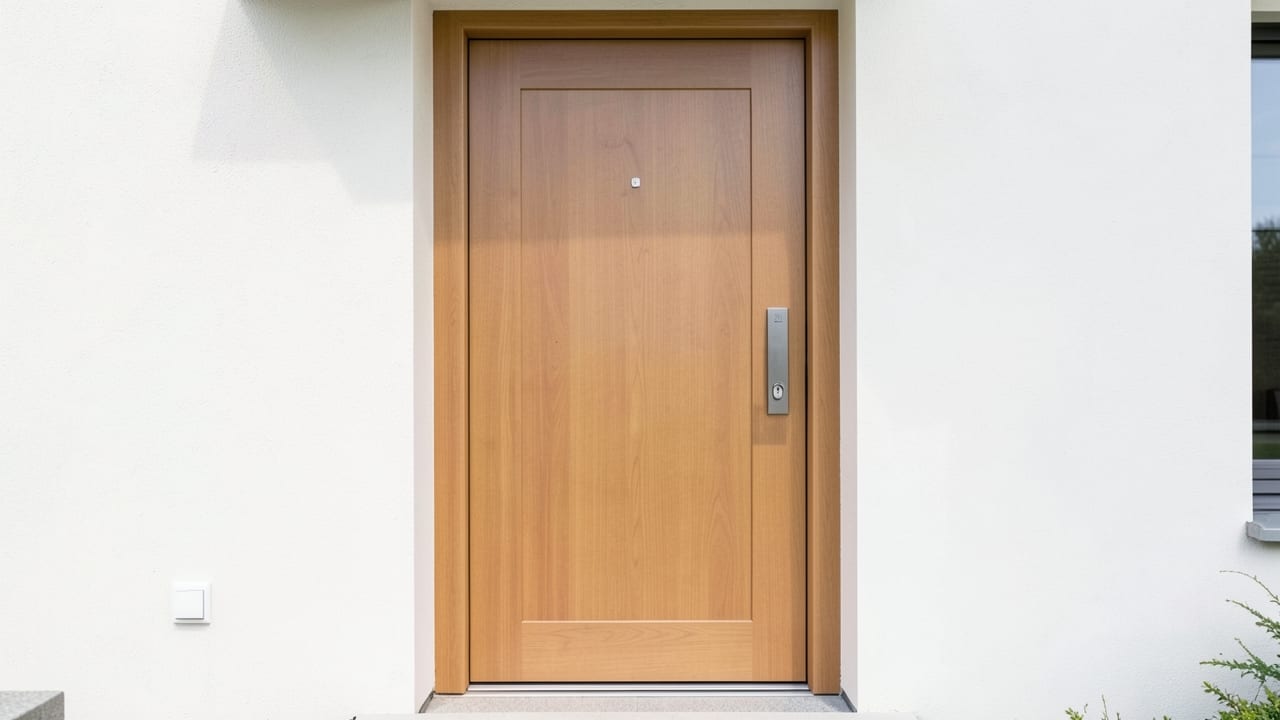
Exterior Door Cleaning in Bellevue, WA
High-pressure cleaning to remove dirt, grime, and stains from exterior doors.
Learn More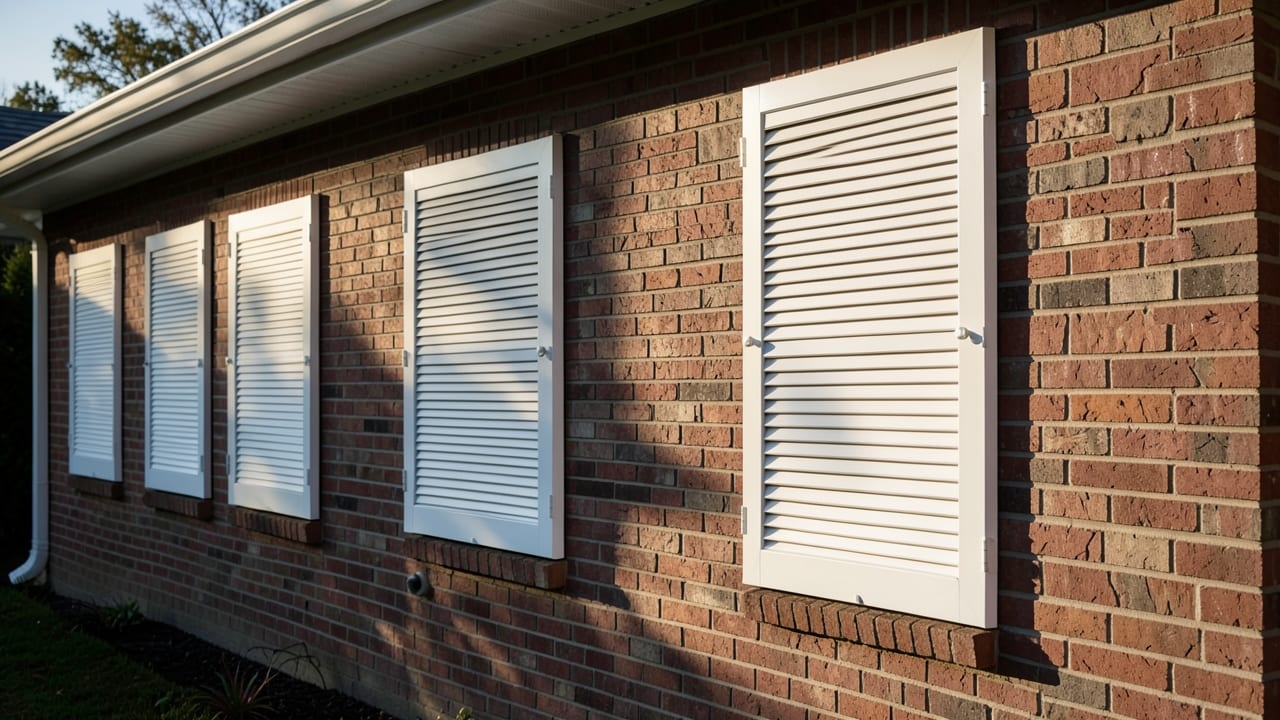
Shutter Cleaning in Bellevue, WA
Professional pressure washing to remove dirt, grime, and debris from exterior shutters.
Learn More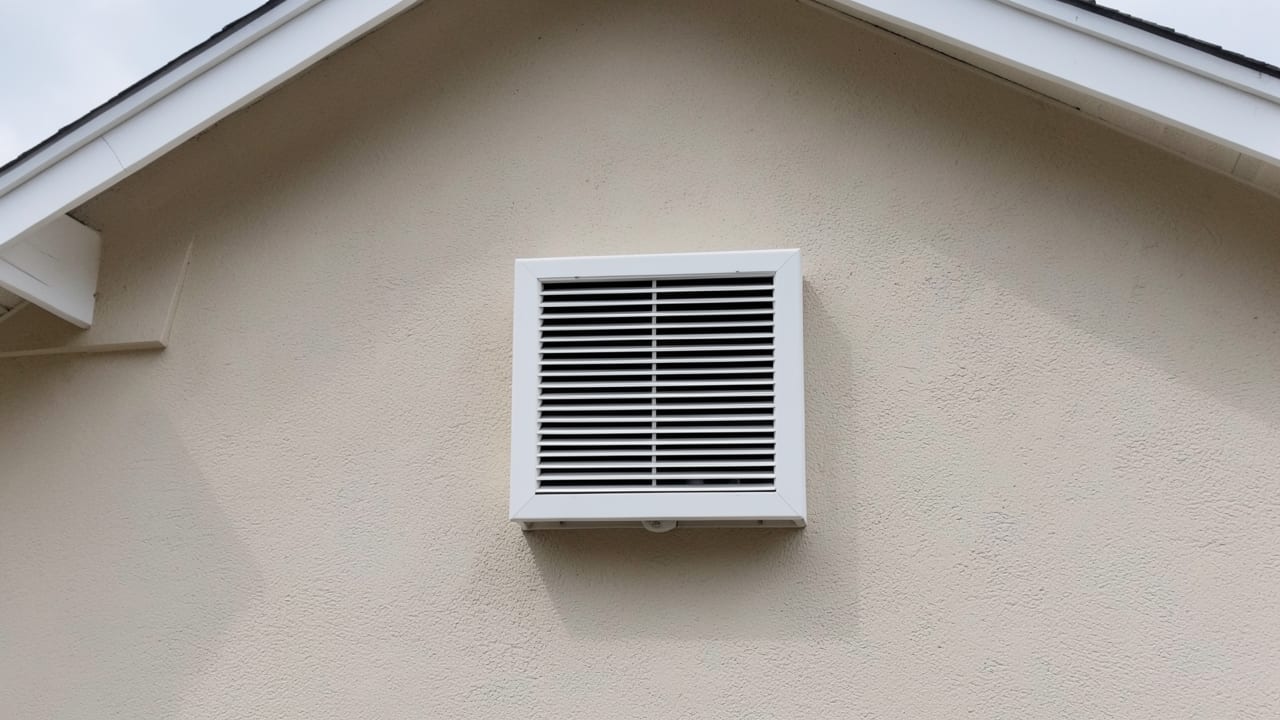
Exterior Vent Cleaning in Bellevue, WA
Professional cleaning of exterior vents using pressure washing to remove dirt, debris, and blockages.
Learn MoreCommon Questions About Pressure Washing in Bellevue
Everything you need to know about pressure washing services in Bellevue
How much does Apartment Complex Washing typically cost in Bellevue, WA?
Does winter road salt affect driveway washing needs in Bellevue, WA?
Are the cleaning chemicals used in soft washing safe for landscaping and pets?
Would home insurance cover damage caused by improper pressure washing?
Can pressure washing strip paint or an existing sealant off a surface?
Is renting a pressure washer and doing the job at home a reasonable option?
Need Pressure Washing in Bellevue?
Get a written quote from our Bellevue crew.
⏰ We answer your call • Serving all of Bellevue and surrounding areas